 A Fall Show After the crazy social interaction of last summer, I welcome the Fall with its changing colours and cool evenings when one can curl up on a sofa and read. I picked up several books on my recent trip to New York at my favorite bookstore, the McNally. I got a book by Elena Ferrante, and when I went to a cousin's house for dinner, she gave me another Ferrante book that she got from the stack of books that neighbors leave in the laundry after they have finished reading them. I was so delighted that I spent days reading, not even watching a single show on television which used to be my practice in the evenings. No, for a week, I spent time reading. One morning amid a story, I felt strongly my desire to write coming back that I immediately went to my computer and wrote an article that I plan to publish on a platform I regularly use. Such love for writing lingered that I spent a portion of my days following that experience to writing whatever comes to mind. Somehow, the writing flowed. I have embraced the identity of being a writer. I haven't done this before, even if I have written so many articles for some years now. I felt I was not good enough even to call myself a writer. A story from the past came to me, and another one made me think I was not good enough to be a writer. My eldest sister, who is only a year older, is an excellent writer. Teachers praised her writing and asked her to be editor in chief, whereas I was only offered the features editor position in our school paper. My sister refused the offer to become editor in chief as she didn't want to spend time writing. She was busy learning new songs and dances. She only wrote when I offered to do her homework in exchange for an article, and it used to make me angry to see her do the writing in twenty minutes while I slaved over her homework for hours. The other story was when we had an essay competition on a topic I had long ago forgotten. When the judges delivered the results, I placed only second to another classmate. That was the nail that clinched for me my belief that I was not a very good writer. Since then, I never bothered to write except for homework and exams until my husband and I decided to work as consultants in other countries. I chose only to accept contracts that I could do wherever we were so we could spend time together. I found myself with so much time in my hands, so I decided to write online. Slowly, I wrote articles but always asked my husband to go over them to assure me it was worth publishing. I needed someone to affirm it was good enough. This review went on for years until he passed on, and I lost that word of authority. I, then, got a mentor, but I had no one to discuss ideas with, that somehow I lost interest in writing. I gave away one of my blogs to someone keen to take it over, and I was happy with the transition. I thought of giving up writing and being comfortable with retirement, not doing anything, just enjoying life. Months of this did not bring me the enjoyment I thought I would gain from the decision. It made me even more restless, feeling useless about not doing something substantial. I kept assuring myself I was retired now, so I should be content in enjoying life. 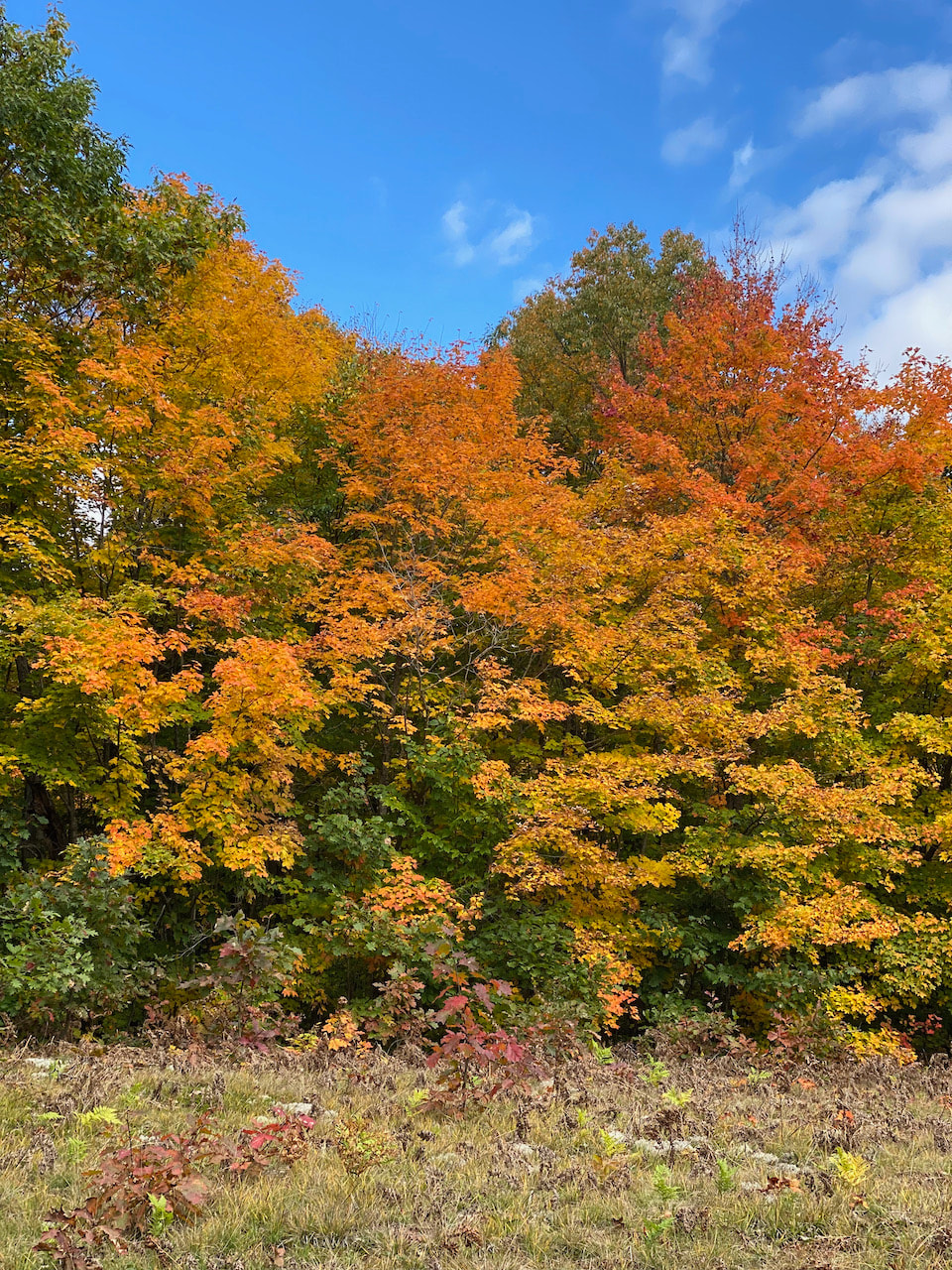 A Cavalcade of Talents Life, however, was not as enjoyable as I wanted it to be, so I kept searching. What was it that would make me happy? Little did I know that the flow came back in the simple recognition of being a writer, and I enjoyed sitting down to write. The fear of not being good enough was gone what was left was the enjoyment of giving words to memories, events, observations, and experiences. It was weaving a story about people and life as it happens.
I now look forward to waking up, having my coffee, and sitting to write. Sometimes, in the middle of reading, the urge to write intervenes, and I sit in front of my computer. It's very liberating to be free of that limiting belief that I was not a good writer. It doesn't matter now whether I am good or not. I write and keep doing it, enjoying the process. 2021 is here. I am not going to make any new year resolution this year though I have to admit, I have had a good track record of fulfilling my resolutions. However, I want to make this year special. I want to focus on one thing: Oneness. 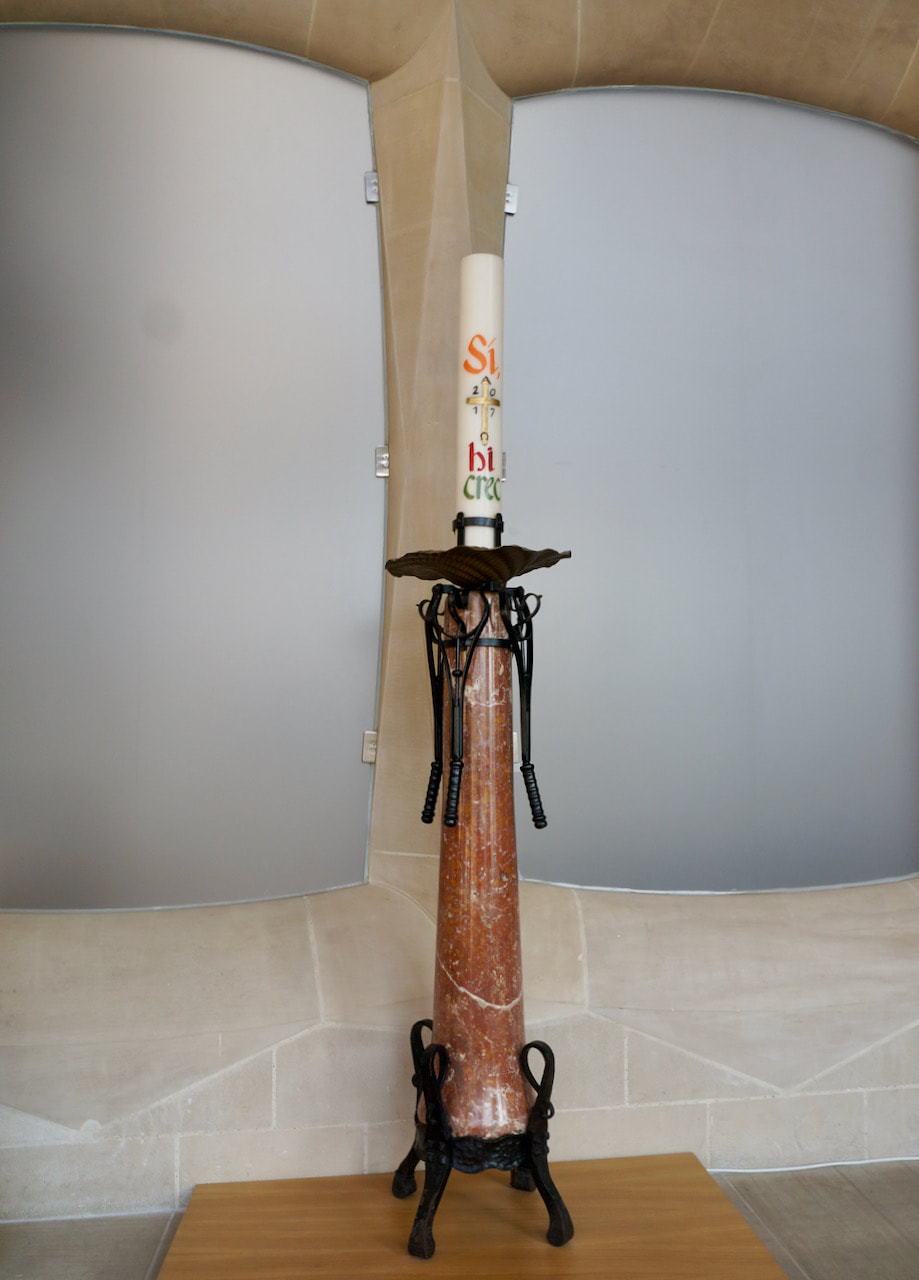 Oneness 2021 I am not only referring to the Oneness that is needed in our society today as the divisiveness continues to stretch even further. I am highlighting an oneness that we can do something about, taking place in our selves. This January, I focused on myself and how I can make myself a better person. I started by giving myself more attention and care. From my physical appearance to the food I feed it, I made some changes. They are not changes requiring much effort but tiny ones towards improving my health. By health, I included not only my physical health but also mental and spiritual. I started to eat healthily. First, I only bought food that's healthy after gorging on fat and sugar last Christmas. I bought nuts, seeds, dried berries, fresh berries, avocados and salmon. I read from the book of Jim Kwik, Limitless, the food that feeds the brain and I focus on this. I also did regular exercise. I chose the joint exercise I learned before, and I didn't mind doing it. The key is I do it regularly in the morning. So, here is my morning regimen. I wake up and immediately make my bed. This act of making my bed gives me one success to start the day. Then, I do meditation: just a short one, about 20 minutes. After my meditation, I eat something fresh like an avocado or a bowl of blueberries, so my stomach doesn't get the surprise of the coffee that follows. Yes, I enjoy my morning coffee despite many health buffs' suggestion that I should give it up. Other studies have shown that a cup or two of coffee in the morning is right for you so, I keep enjoying my cup or two. I don't think being hard with yourself is a good idea, at least not for me. Once I have had my coffee, I feed my mind by reading a book or listening to podcasts to help myself become a better person. This activity can take 30 minutes. I think it is important to feed one's self with useful information regularly. Our thoughts are critical to our growth, so providing it with the right information makes it much better. I realized that working towards Oneness requires consistency and constancy in one's effort. There's also another thing I now begin to value, and that is Focus. I used to multi-task all the time until I find it is making me tired. I started to focus on one thing at a time, and I find that I get better results, and I find that as I focus my energy, I don't get tired. Again, another aspect of Oneness. To be fully present to what one is doing makes better understanding and finishing the task in less time. I have followed this morning regime for some time now, and I feel its positive effects. Such effects continue to encourage me to keep at it. My body feels lighter and better coordinated. I feel lighter, and my mood has improved tremendously. I have not felt bored or lonely or down. Slowly, I feel that my mind and my body are one. I know that when I keep doing this, I make myself more whole. When I grow towards wholeness, I can contribute to the fullness, the Oneness in our world.
All these years, I have scattered my attention by multi-tasking. I have tried so many things to improve myself. I have read so many books and listened to many gurus about working on my inner self and becoming whole. I have had enough. I leave these all to 2020. 2021 will be uniquely special. It will focus more on doing the simple steps consistently and constantly to bring myself to wholeness, becoming One inside, the first step to wholeness in our world. What is your focus for 2021? I wish you all the success. 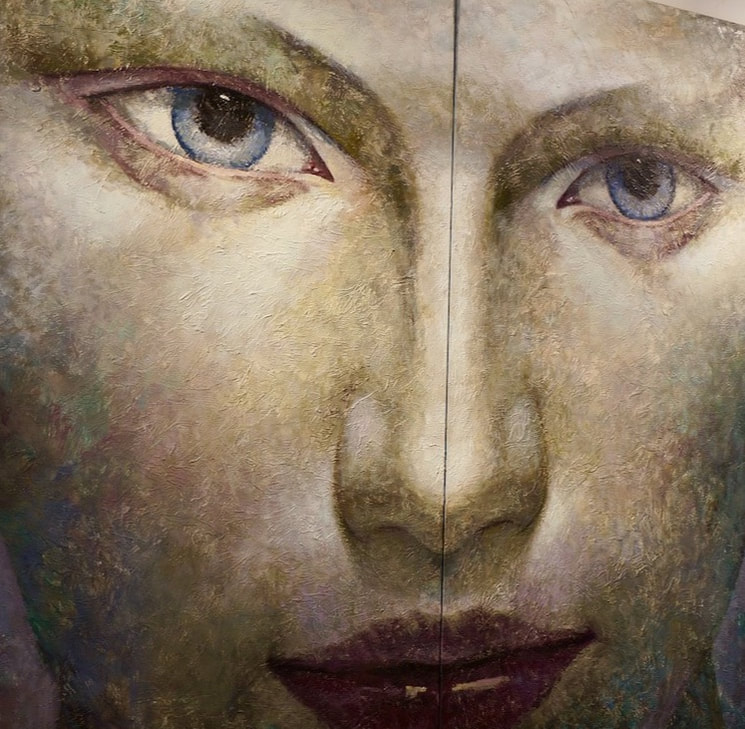 A Brave Face. Some of us have only a very faint knowledge of what is inside of us. We are not in touch with what we truly feel inside. We often ignore this feeling that they tend to be hazy if not hidden altogether. For others, we do not want people to know how we feel because it makes us vulnerable. We think people can take advantage of us when they know what is deep down inside of us. Cultures have frowned upon showing vulnerability, especially when you are male. We are not allowed to cry as that is a sign of weakness, so we learned how to put on a brave face from an early age. We carry it as we grow up until we have a well-developed public persona that the world associates with who we are. We think people around us expect us to do this. This stance is alright when we need to encourage others to go on bravely amid crisis. Yet, have we ever tried showing the vulnerable self inside us, the true feelings we have even if this means crying, breaking down in front of others, and crumpling down when faced with an unfortunate event? Vulnerability takes courage. It is opening the wound that is within us. It enables others to hurt us. The Oxford Dictionary gives this definition of vulnerability: the quality or state of being exposed to the possibility of being attacked or harmed, either physically or emotionally. Who wants to do this? This definition is contra what we know growing up, which is to be strong and ensure that others see our strengths. What if we change this framework? What if we look at vulnerability as power? Here's a start to do that change. Below is Brene Brown on the power of vulnerability. Brene Brown, in this video, tells us to move towards connection. She contends this is why we're here. But for her, this connection is the result of authenticity. It is the realization that what made us vulnerable is what makes us beautiful. Yes, it is crucial to go into our inner selves and listen to how we feel. Slowly, we need to accept that it is so much a part of us. We don't numb it and go off shopping or binge eat. No, we face it. We ask ourselves, Where is this coming from? Whatever it is, digging further will only make us feel miserable. What helped me more is to accept the hurt, feel it and know it is part of me. I need to tend to it, not allow it to overwhelm me, but look into it and find out how to remedy it. Of course, the prerequisite is to accept and not deny it. Convincing ourselves that it is not something to be ashamed of, a part of us who has not grown with the rest of us is difficult but necessary.
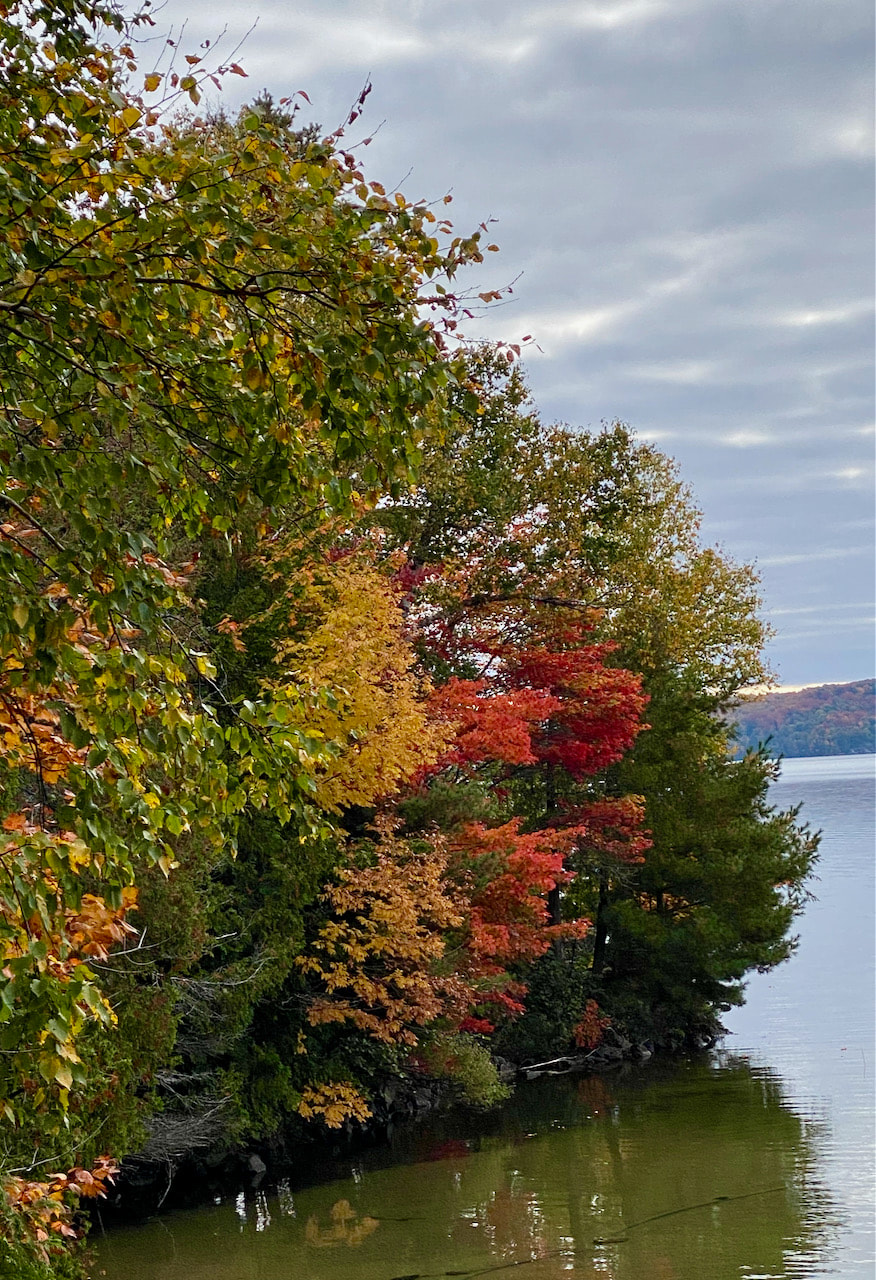
You'll be surprised as I was that it no longer has power over me when I started sharing it with friends. I wrote about my experience, and when we were talking one time as a group, I shared that I write. My friends inquired further and asked if I could share some of my articles with them. I did, and I was surprised at their reaction. One friend told me she was on the two occasions I described there and never noticed how I felt. Since then, we became even closer as we shared our vulnerabilities and cared for each other more. There was greater authenticity in the caring. It's time to open ourselves, be more faithful to how we feel and not be afraid or ashamed to share whoever we indeed are with our friends. What could be more satisfying than spending a perfect day in a beautiful garden with well-groomed dogs playing freely and fun folks who appreciate the beauty of nature and fine things? 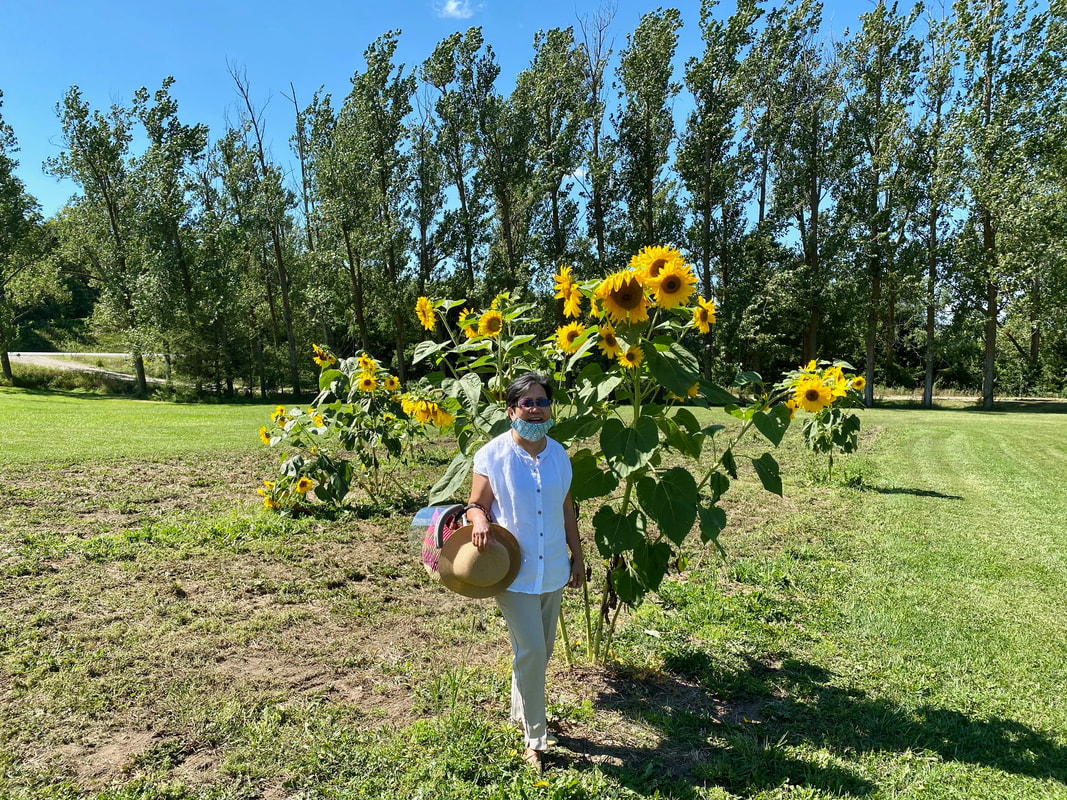 A Beautiful Day That was my experience the other day. Yes, lucky me. It was a sunny Monday morning, and our Monday travel club of two invited ourselves to a friend's sunflower patch. Little did I know that other than the sunflowers, there were many more surprises in store for me. The whole day, I was like a child in a candy factory. A few days in our lives, with no planning on our part, everything around us converges to bring about utter joy and contentment. True, there are a few, but the impact of these like these remain etched forever. 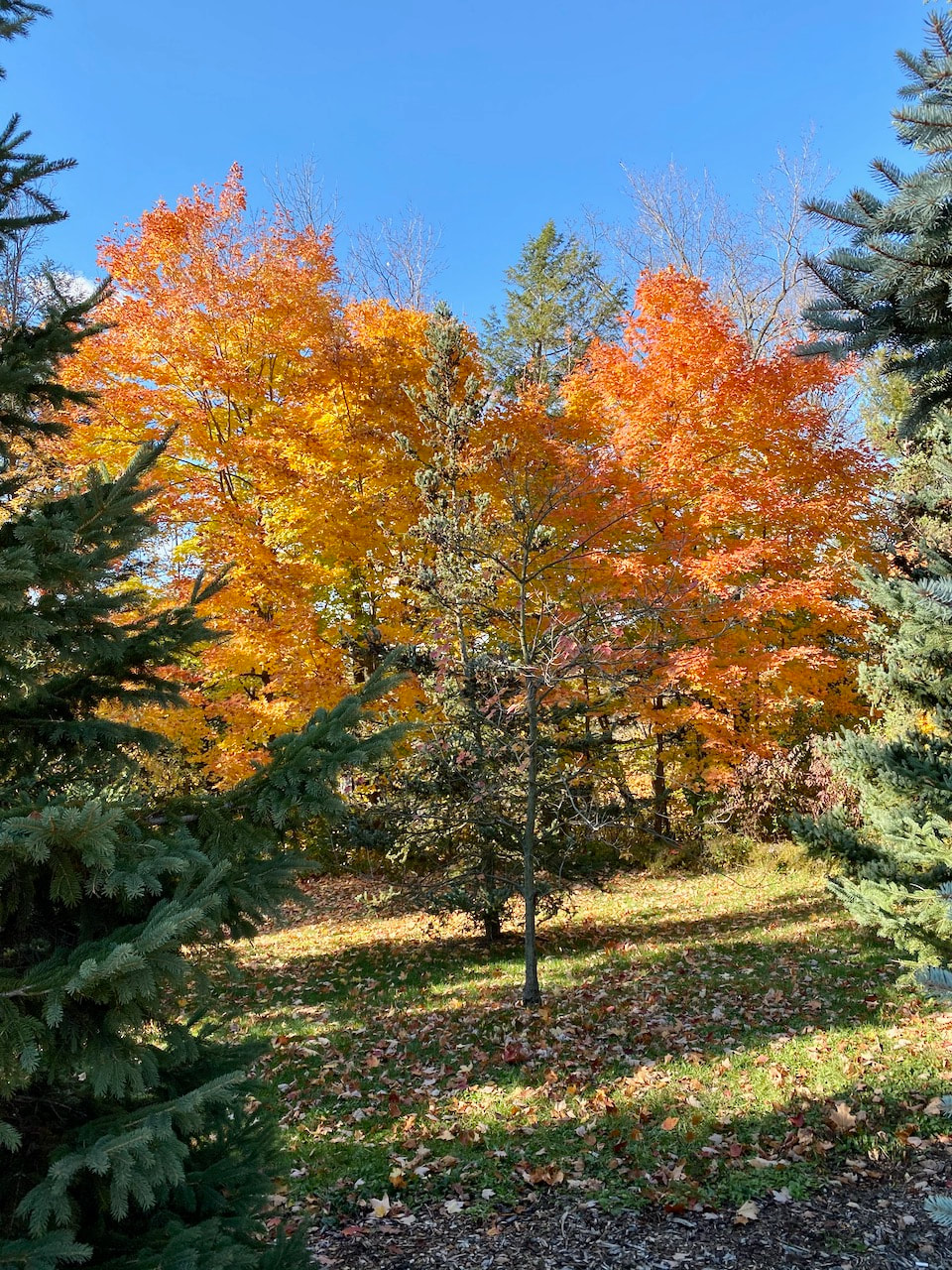 Fall in Ontario, Canada As I said earlier, it was a sunny Monday in August. Our Monday travel club drove from Toronto towards the north of the city. We avoided the highway and instead took the road that took us to some tiny villages. For me, these are hidden gems revealing their beauty after an hour's drive from downtown Toronto. Caledon's rolling hills unfolded in its almost exhilarating majesty peppered with horses exercising in fields filled with hay rolls. It reminded me of the pastoral paintings of Costable. When we reached our destination, frolicking white and brown poodles met us in the garden of sunflowers, herbs, garlic, zinnias, and gladioli in purple, red, and white. Our host is a tall, slim, stylish lady who grew up in Montreal and brought flair to this rural Ontario outpost. 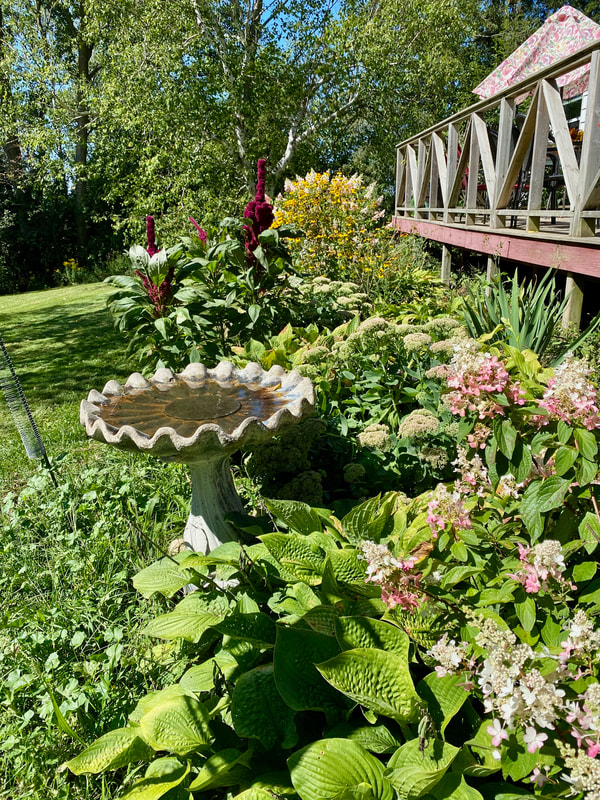 A Friend's Garden When we entered the house, everything in it attracted me from the table ready for lunch fashionably arranged, almost like in a home and country magazine. The well-chosen antiques tastefully displayed gives a lover of what's old stare in appreciation. The paintings, all family heirlooms, decorated the walls. Everything in the house contributed to its overall beauty. We toured the property with the two dogs in tow. I almost did not leave the big barns as inside are treasures to connoisseurs of antique cars. Jags and MGs, beautifully restored in its elegant hues, are on display, reminding me of old TV programs like Inspector Morse. 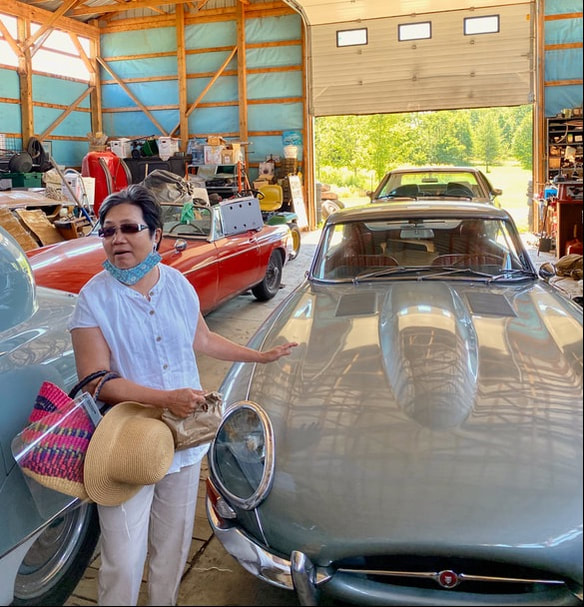 Old Cars We returned to the house for a treat: bacon and tomato sandwiches with a salad of greens made from the garden produce. What a refreshing lunch with flavors often lost to taste used to supermarket produce. After lunch, we wandered through the garden, and our host gathered bouquets and fresh tomatoes for us, a real treat for city dwellers. We then had coffee to end our visit and drove back to the city, enjoying another route on Caledon's rolling hills. 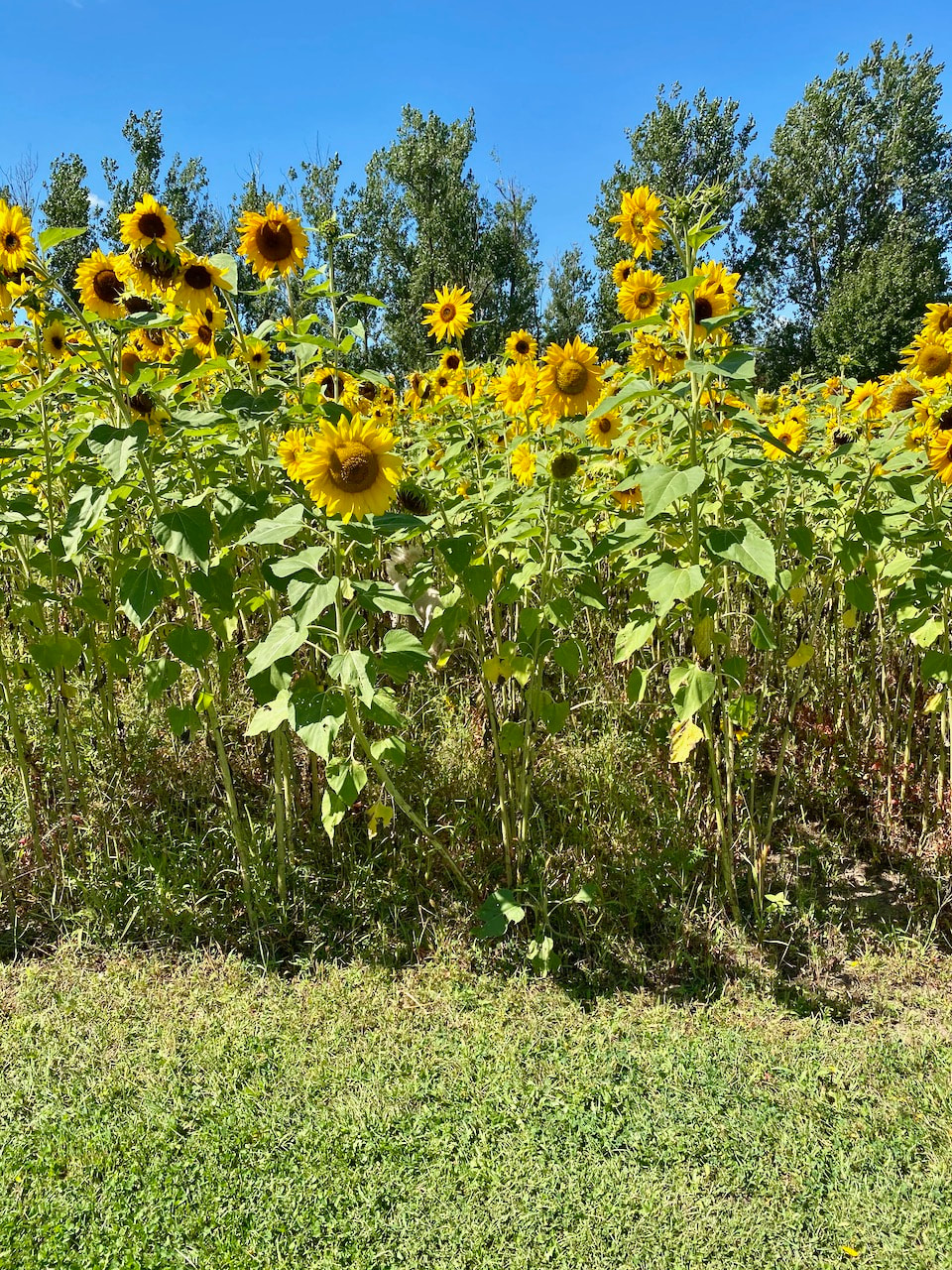 Sunflowers in Ontario, Canada Reflecting on this experience, I thought of the many days we spent uneventfully when adventure and beauty are waiting for our exploration. I vowed to get in my car and explore the area further in the future. There were some places I took notice of and researched when I came home to visit on some sunny days.
 Life's Adventure. Copyright: aesta1 Life is a fantastic voyage: adventure, excitement, love, learning, travel, surprise. WOW! This trip has everything. Everything! Hey, and we know the destination, right! So we don't want the fastest means of travel. We want a long slow trip with time to savor, rest a bit, take time in the right places, and move on quickly when another stop disappoints. So this is all about the trip. Of course, some in your office call life a struggle! They live by the famous bumper stickers, "Life is hard, and then you die." "The best thing about each day is that it ends." It's up to you: Misery or adventure? What will your voyage be? Here are some simple things to remember, something we often take for granted in our pursuit of better travel tools, navigation aids, tips, new courses, new transport, exotic places. The market is so full of products and services to help us out in our journey, that often these things are just put aside for more colorful and attractive options. 1. Make a Travel Map With a map, you have the best chance of passing through the places that will interest you. You can't buy the plan. No one has ever had your journey before, so you have to draw your own. It will end up as a reverse diary, looking at what will happen tomorrow, not what happened today. There is nothing you can do about the history and everything you can do about what lies ahead. 2. Get a Primary Navigation System Nothing too complicated. First, get a notebook, so you don't lose this. Forget the jargon, the intricate frameworks, and programs. Just sit down and make your own. You know how to create lines and shapes and write. Let your imagination go. What you can imagine, you can do. Go to the start point for this new voyage. Now, think for a minute. This journey is not a powerboat trip. You are in a sailboat, winds change, and you have to go with them. Tides, currents, and rogue waves. You have to adjust for them all, but if you know very generally the experiences you want to have and the people and places you want to see, you will accommodate the rudder to keep you moving in the direction you want. What are these experiences you want? What environments do you want to experience? What adventures seem interesting? Write them all down. See the links. Are there clusters? 3. Adjust the Rudder Is your flopping around now going to give you these things? If not, how can you adjust the rudder, given the wind, the waves, and your navigation aids? Hey, talk to the other passengers. Speak to your family. They might be amazed! 4. Give Yourself a Break Often, we forget the essential part of living is doing the map for ourselves and our families. Stop. Look up. Look around. Where are you? In what country (real or imaginary) are you? Enjoy the moment. Sit down and be aware and conscious of what is going on within you and in the world. In our hurry, we miss so much. We get into such a frenzy that we can't even enjoy the very people we want to make happy. We don't listen to the sound of silence. Instead, we fill our lives with noise. 5. Welcome the New and the Unexpected Often, we protect ourselves from any of these. We want our lives undisturbed. We insulate ourselves from what is unique because it threatens us. So the break gives us some time to prepare ourselves to encounter the new, conquer our fears, and provide space for the new experience. 6. Pack Light! Many times, we take a new route, but we bring all the luggage. Just in case something happens. Something will happen now that you are ready and open, and your baggage in your mind will get in the way. Keep your experience, but abandon most baggage. 7. Listen to Your Restlessness It is another word for awareness and readiness for change. Look in the paper for short seminars or courses on things that interest you. Get a book that talks to you about change and moving in life. Look at stages. Read about others that have thrived on life as a travel experience. 8. Enjoy the Scenery Some people spend so much time planning the next trip that they never do see the joy of the one they are taking now. Suddenly, the journey is over, and they never visited anything. They just got to the destination. As you journey, 9. Share the Road Help those who need your help on the way. Respect the things you see around you. The more you give away, the more will come back to you. I am not a flower child -- this works. 10. Enjoy the Company Share and celebrate life with the people you meet on the road. You might never see them again as they are on a journey, too. Connect with those you meet on the way. More and more, you will see how interconnected we all are. And remember, there is a world of difference between being alone and being lonely.
Don't ever let the movement of the mob be confused as part of your life's journey. Start now! Get the notebook. Live the adventure. You get one go around! 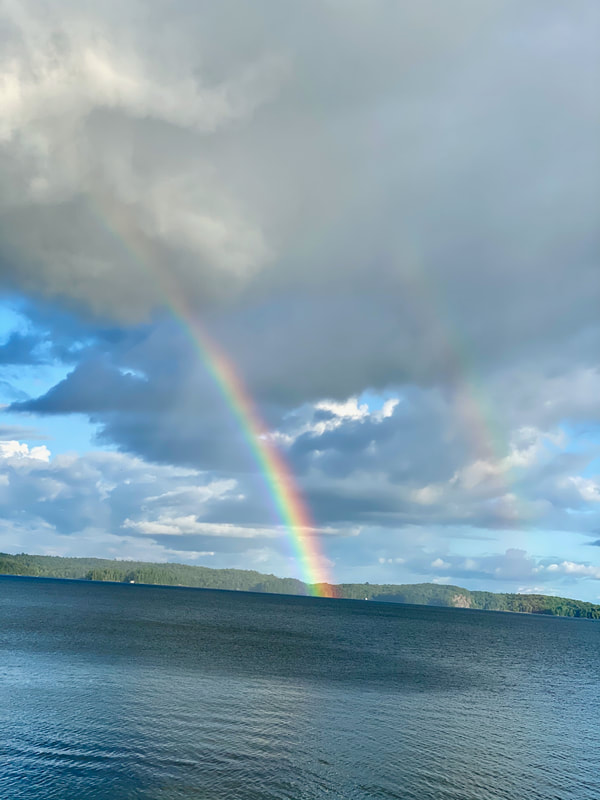 Double Rainbow in Muskoka. Copyright: aesta1 Do you ever wish you are a different person? Nobody wants to be in a being who is suffering, feeling victimized and unworthy, insecure, and unhappy. In the past, each time I get an invitation, the first reaction is to find reasons not to go. I get panicky about what to wear. I start wondering what to say in a conversation or how we're going to handle the payment. The other day I got a call from my late husband's cousin inviting me to a dinner in their golf club. My anxiety went up as I feel awkward to be in these places. I couldn't say no, but my mind rushed to thinking of reasons to get out of this engagement. I am not sure if I will feel at ease with them. I never worried about this before because my husband would always carry the conversation. I never had to say anything unless directly asked, and as the conversation flows smoothly with him around, I had never worried. I probably tried on so many dresses to make sure I dressed appropriately, not embarrass my adopted cousins. We have not seen each other since the COVID lockdown, so I was a bit apprehensive. The day came, and the weather was terrible. Possibly, I could convince them to cancel. I tried, but they responded that they had called the club and they're fine. So, I prepared myself for the pick-up. When I entered the car, I saw that my cousin's husband was in shorts. My cousin, who casually dressed, assured me that everything goes. I saw when I came in that people there wore whatever was comfortable. It was their second home. That made me feel at ease. As we're still maintaining social distancing, we wore masks in the car and ate in the outdoors. The dining room is very spacious that even with many people there, we had enough space away from other diners, which made for a more lively conversation. Being my first time to be with these cousins on my own, I worried earlier what to say, but as the dinner progressed, the conversation became smooth and enjoyable. I entered fully into it, expressing my views freely. For them, this must have been the first time they have heard much from me. The conversation was so compelling that we ended with a greater desire to see each other more. Reflecting on this experience, I saw how much I have changed as a person. I seem comfortable with everyone, happy to engage with them, and valued my contribution. I started to feel my worth as a person. What changes have I recently made to my life that brought about this new being I love? Here is the most crucial step I took. A friend of mine recommended that I check out the workshop on transforming yourself. This friend told me that with the new science of epigenetics, I could even change my genes. So, I went to YouTube and looked at some of the videos on epigenetics. I started educating myself on the more effective personal transformation. My friend also suggested I check out the workshop of Dr. Joe Dispenza. After watching several videos on meditation, I saw how crucial this practice is to the change I want. So, I started meditating, and the changes I experienced encouraged me to go on. I did this for about two weeks until my friend convinced me to take Dr. Dispenza's workshop. Thanks for the time COVID has given us, I ventured into the workshop. I have meditated before, but this workshop led me to the most intense experience in my life. I found myself tuning in to the unknown, the place of possibilities where I find my new potential. I don't get any commission from this website, but the transformation I see in myself pushes me to share this program. I feel so happy about my new self, the new person I created in this workshop.
What is important is that you seek your inner transformation. Once you start, the forces around will help you. 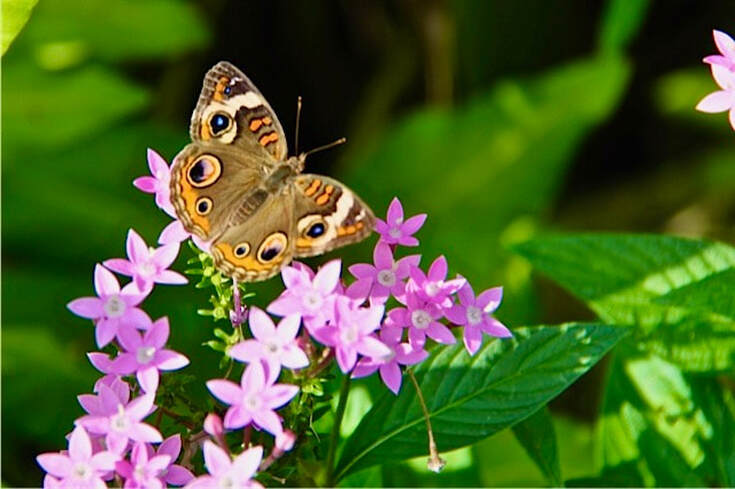 Does this butterfly look back to its past? Most of us direct our attention to what we had in the past. Some of us even live in the past. Why do we do this? Because we know it for sure. We don't have to struggle to accept it. We have embraced it, and it comforts us. It is familiar, yet cozy. The Future, on the other hand, is unknown. It is uncertain. It is something we do not know, and so do not trust at all. Most of us would not even think about it. We will deal with it when it comes. At the moment, we want nothing to do with it. But do you know that where we focus our attention is where we direct our energy? Therefore, when we focus on the past, we give it power. History now influences how we live our present life. It dictates how we behave and how we respond to the new realities in our current moment. When we continue to do this, the more the Future becomes unknown to us, unexplored and distrusted. What's worse is nothing will change in our lives because we live the same reality we did before. We are only repeating what happened before. Is this what we want? What if we challenge ourselves to imagine our Future and avoid looking back to the past. If we do this successfully, we train ourselves to look towards the Future, go for what is in front of us, and stop looking back. How we respond to the events in our present moment will be directed by this new image. Wouldn't that be more exciting? More exhilarating? Only then will we see changes in our lives. Maybe some of you will ask, "Why do we have to do this when we are happy talking about the past, reminiscing the significant memories we enjoyed and shared?" While this has its advantage, it stops us from growing, from moving onward and transforming our lives. We are satisfied with what we have had and are happy to stay in it. From now on, only focus on the image of your Future Self. Many of us don't have a vision of how we want to see ourselves in the Future. So, I invite you to do this. Upon waking up every morning, picture the Self you wish to be in the Future. Picture your joy as you live this new reality. Feel the emotion of enjoying this new life. As your day unfolds, watch your thoughts. Each time the past takes its hold on your mind, refocus on the picture of your new Self. Keep doing this until the past has lost its grip on your thought.
Before you sleep, picture once more the image of your new Self. Keep doing this until the vision is clear in your mind. Remember to feel the emotions that go with the fulfillment of this image. As you do this every day, you then live your life based no longer on the past but the vision of your Future Self. Transform like this butterfly. 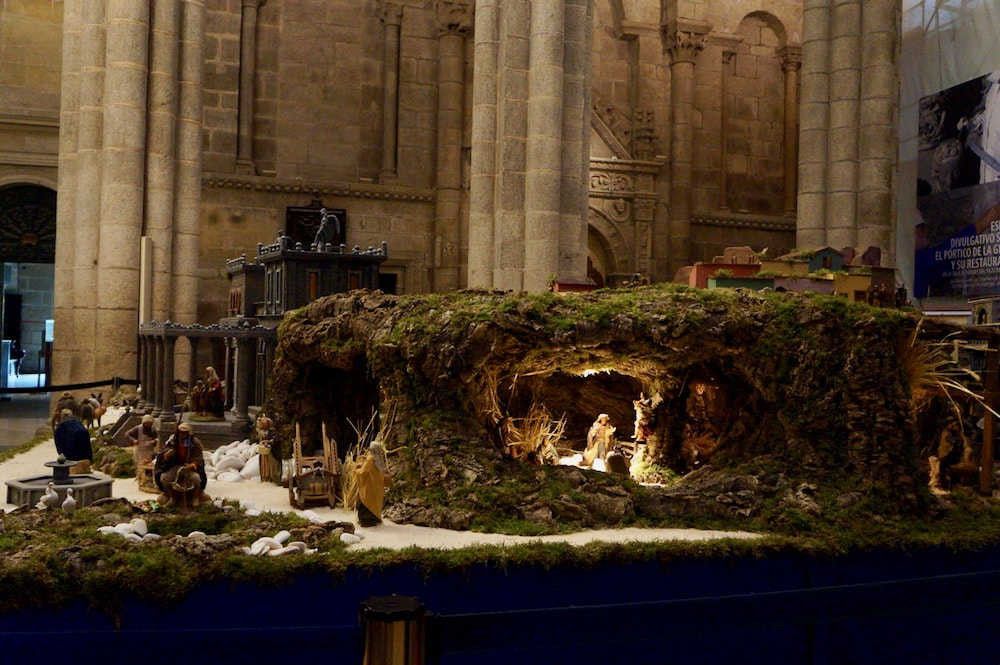 Nativity Display in Santiago de Compostela. Source: aesta1 When Mary and Joseph went to Bethlehem to sign up for taxes, the town had a lot more action than just a stable. All of the trades that were alive and active in the community like Bethlehem would easily have been seen and heard and provided life to the community. This was just not just a country of shepherds. There were stonemasons and carpenters, fishers, roofers and makers of cooking utensils. Perhaps, metalsmith and certainly blacksmiths. 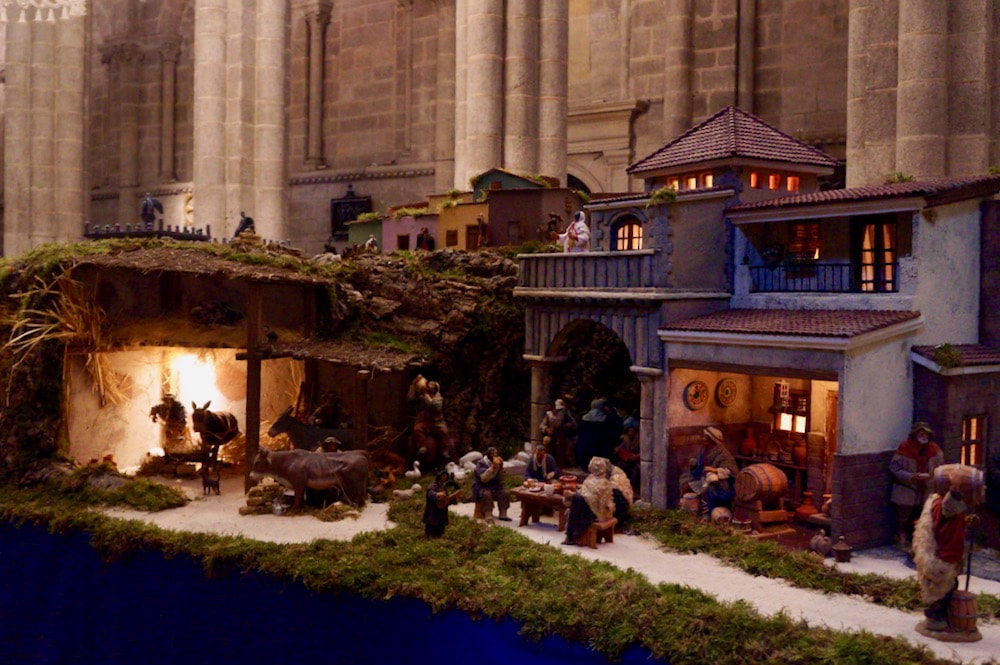 Nativity, Santiago de Compostela The Basilica of Santiago de Compostela tried to display the Nativity in the total context of Bethlehem. Even better, the beautifully crafted figures move and give a sense of the world going on in the Holy Land in the year 0. Fishers fish. Woodcutters cut wood. There's real action going on and when you walk around the entire miniature world, you get a sense of how it must have felt to live there at the time. Of course, there are the shepherds watching their sheeps and there's the wise man checking the skies, the assorted animals that live in the manger swing their heads and complain about losing sleep. So, in this great grey, somewhat foreboding Basilica is a small world of humanity living out their lives in what historically is one of the most important moments in history. See the Full Nativity Display of Santiago de Compostela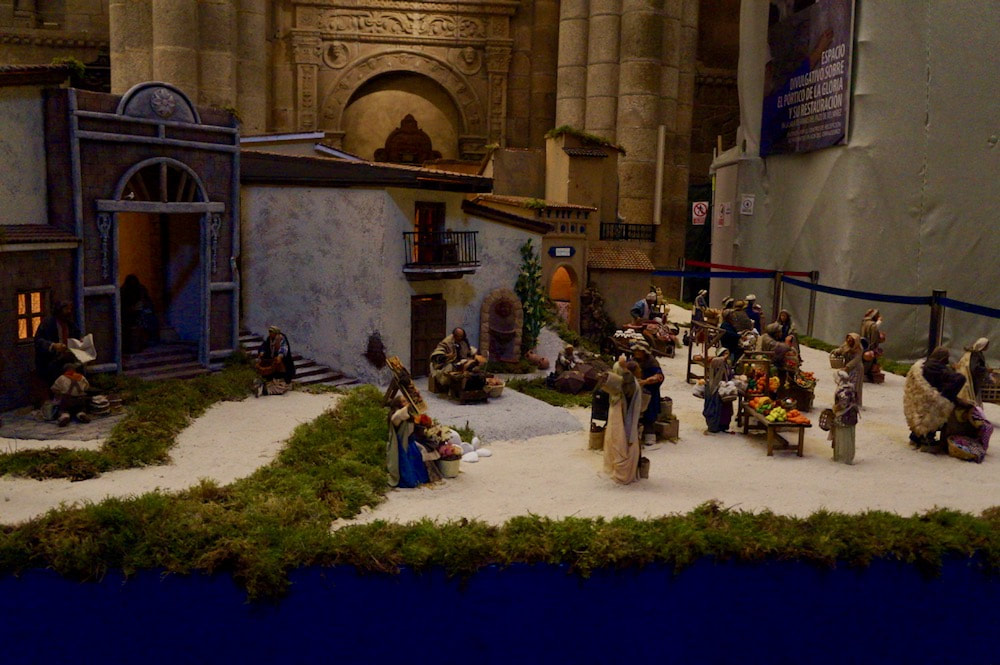 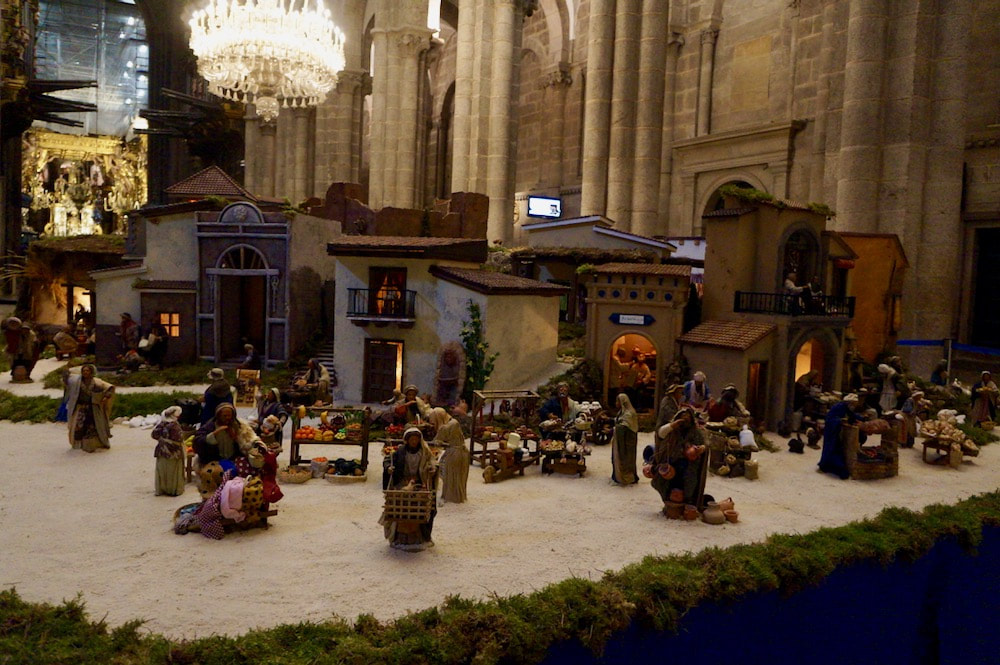 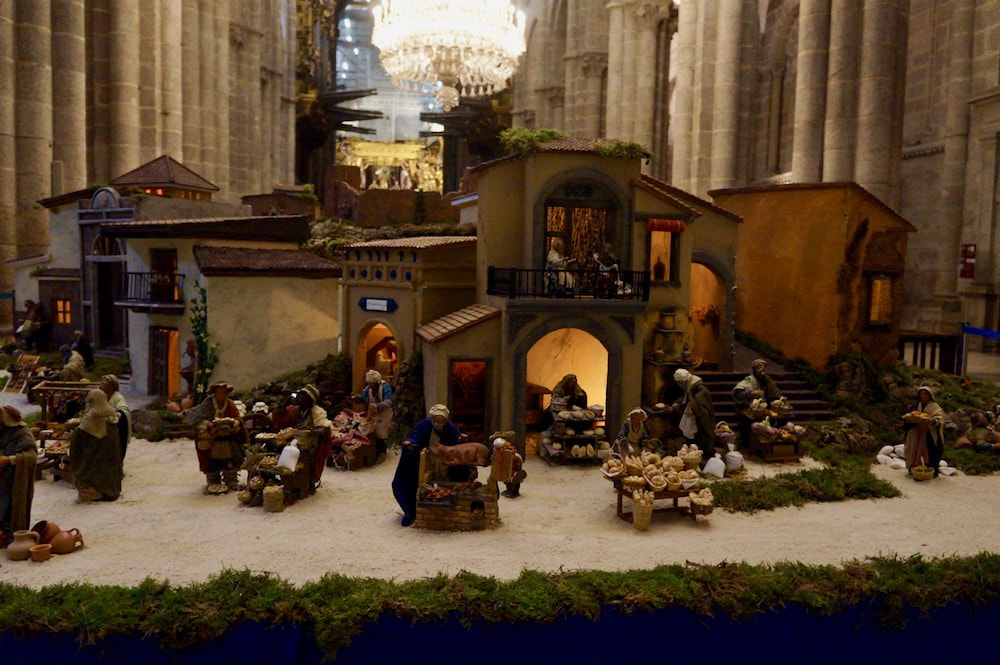 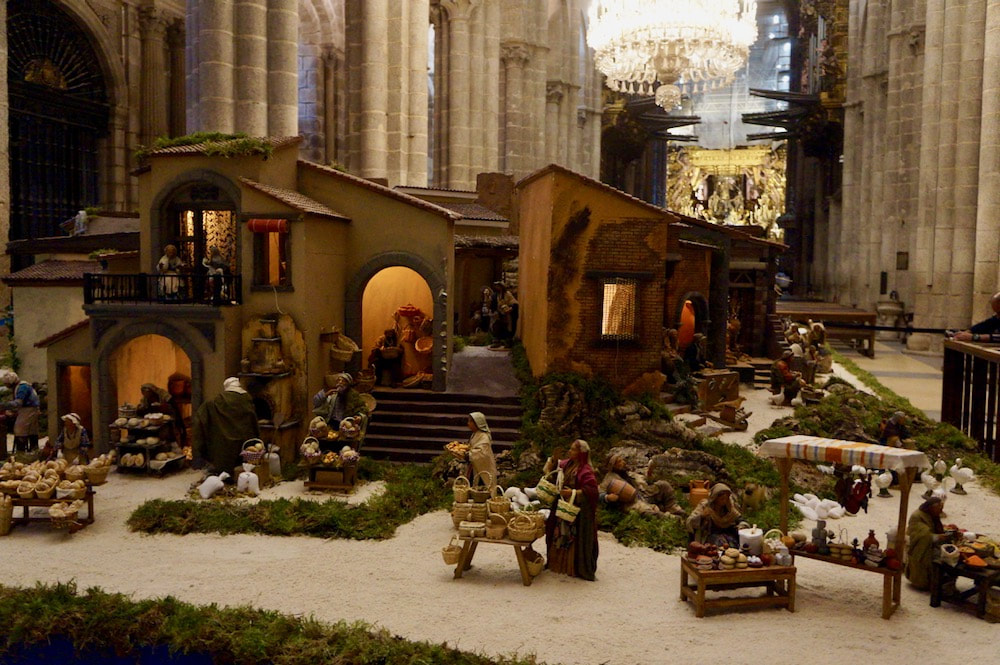 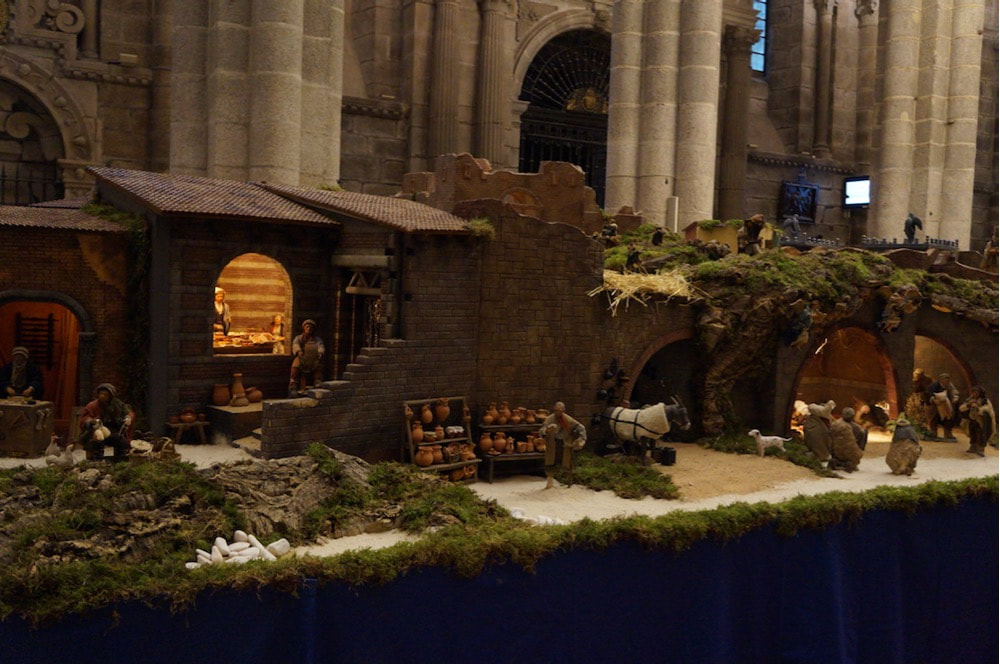 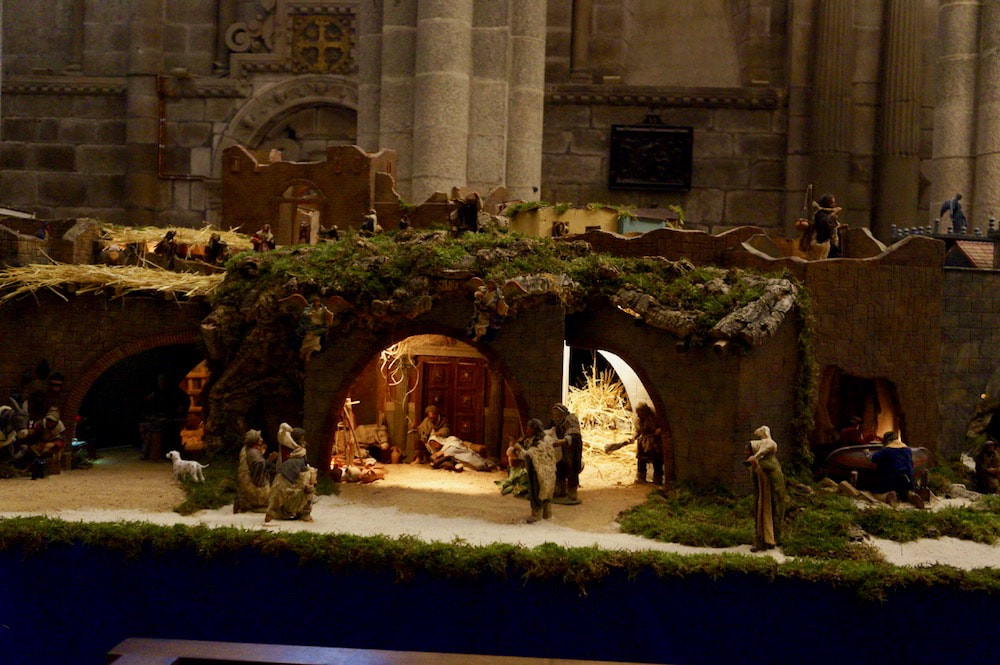 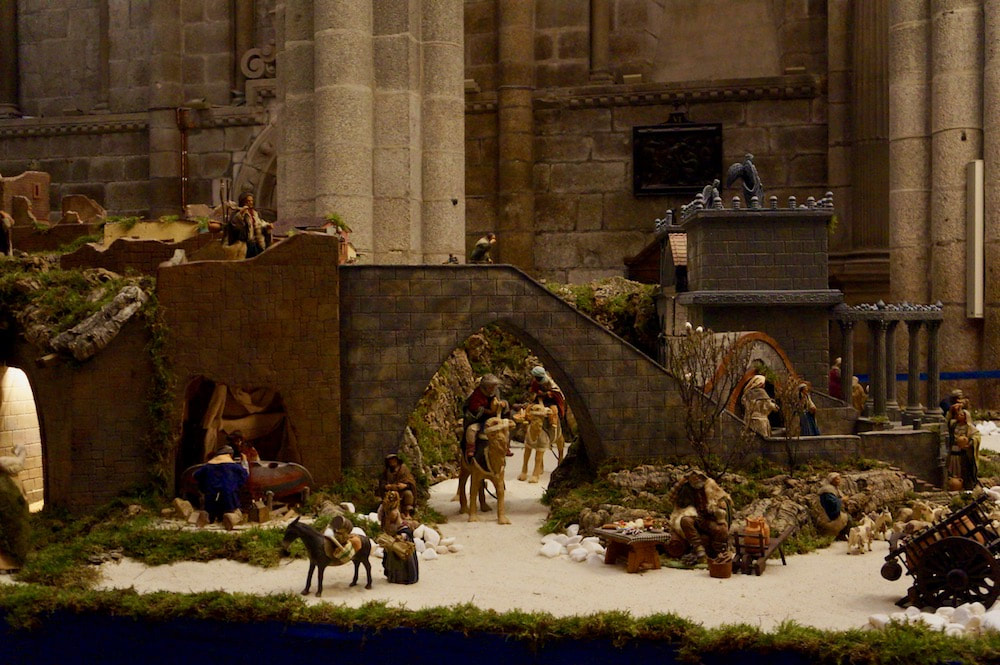 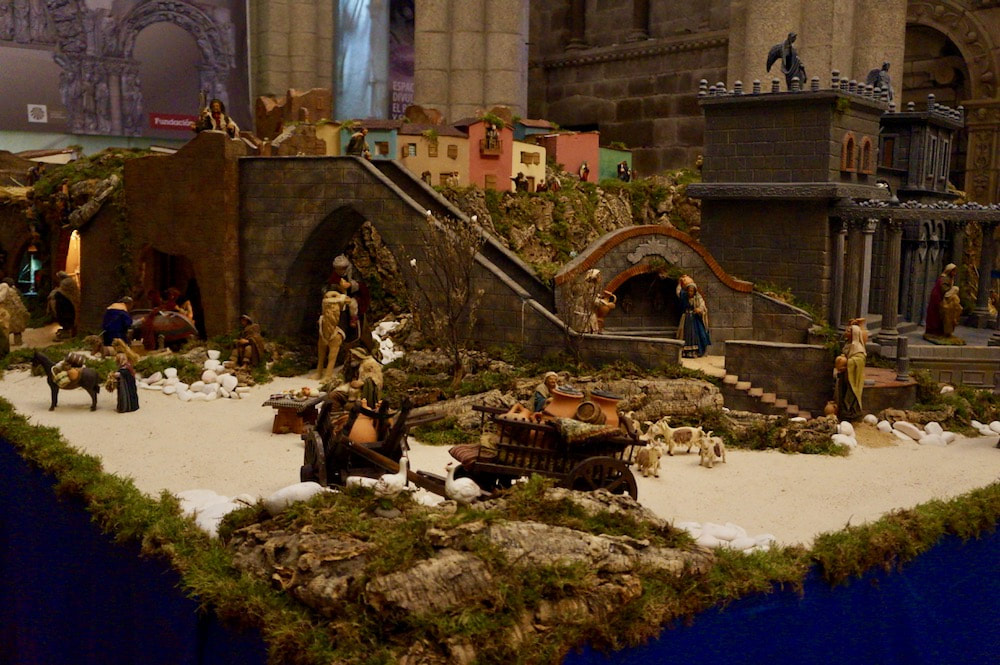 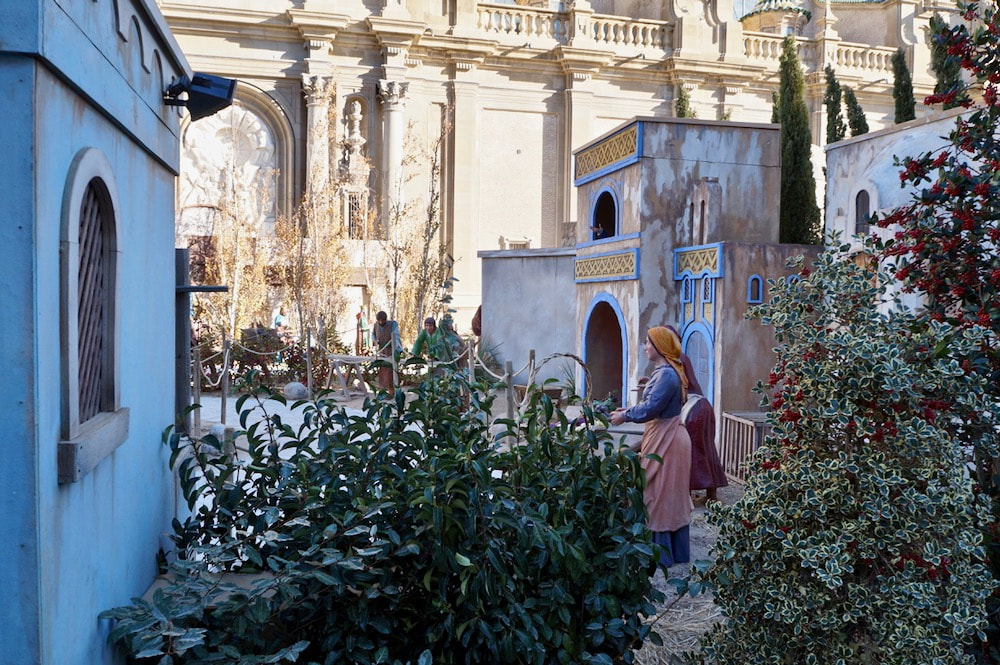 Nativity Scene. Source: aesta1 Many Western Europeans grew up with a multi-generational Christmas holy family scene that was rolled out on to the mantelpiece in mid-December every year. This varied from stick creatures made by the children to high quality porcelain. The main interest was in protecting them from indifferent cats, ignorant tennis balls, and over cooking by the fireplace below. They were a tradition, little else. 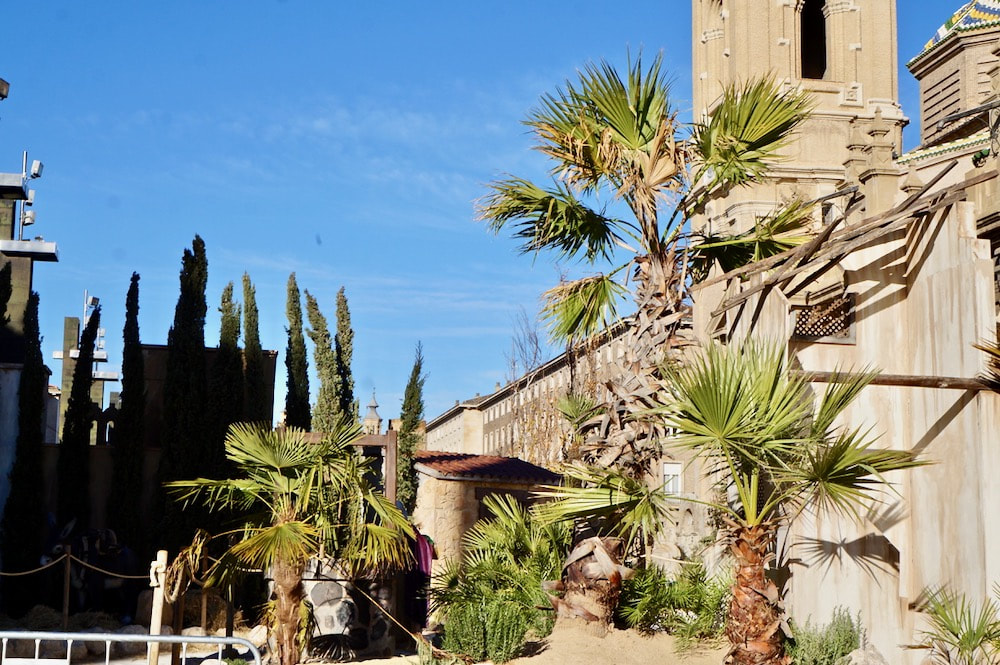 Zaragoza But some cities in Europe have quite a different understanding of the holy family display. As an example in Zaragoza, a major portion of the central town square is filled with every character, animal and tree that could possibly be included in the Nativity scene. They're all life-size. 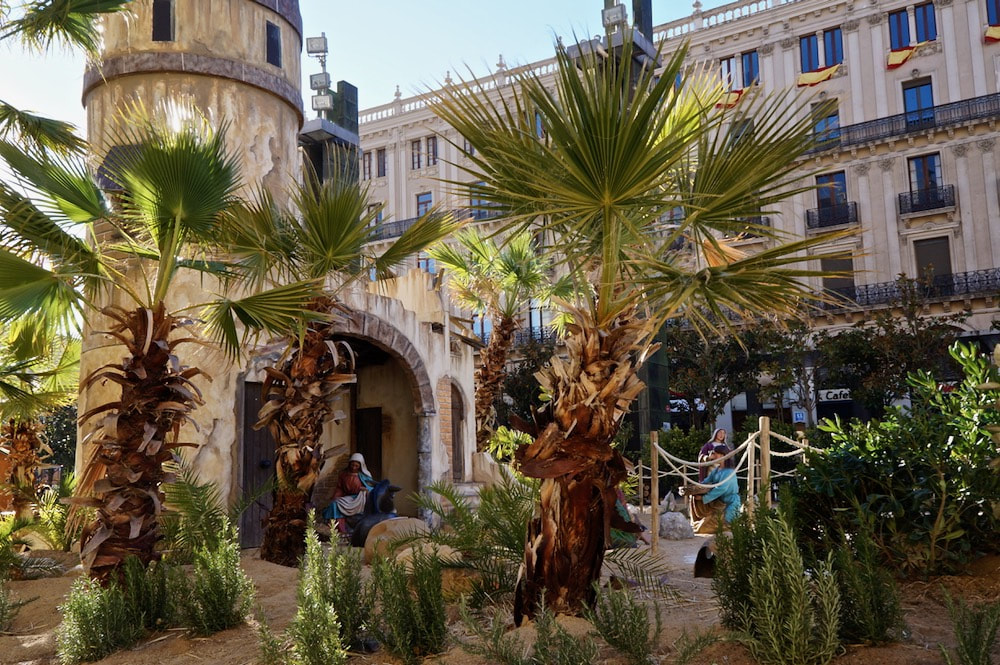 Life Size Nativity in Zaragoza. Source: aesta1 Walking around the 50 meter by 20 meter installation is an interesting experience as you feel you're peeking into history. The images avoid the soporific looks of the traditional Nativity with smiles and happy glances. The entire presentation has an upbeat feel that brings back some of the non-mercantile joy generations once had in Christmas. 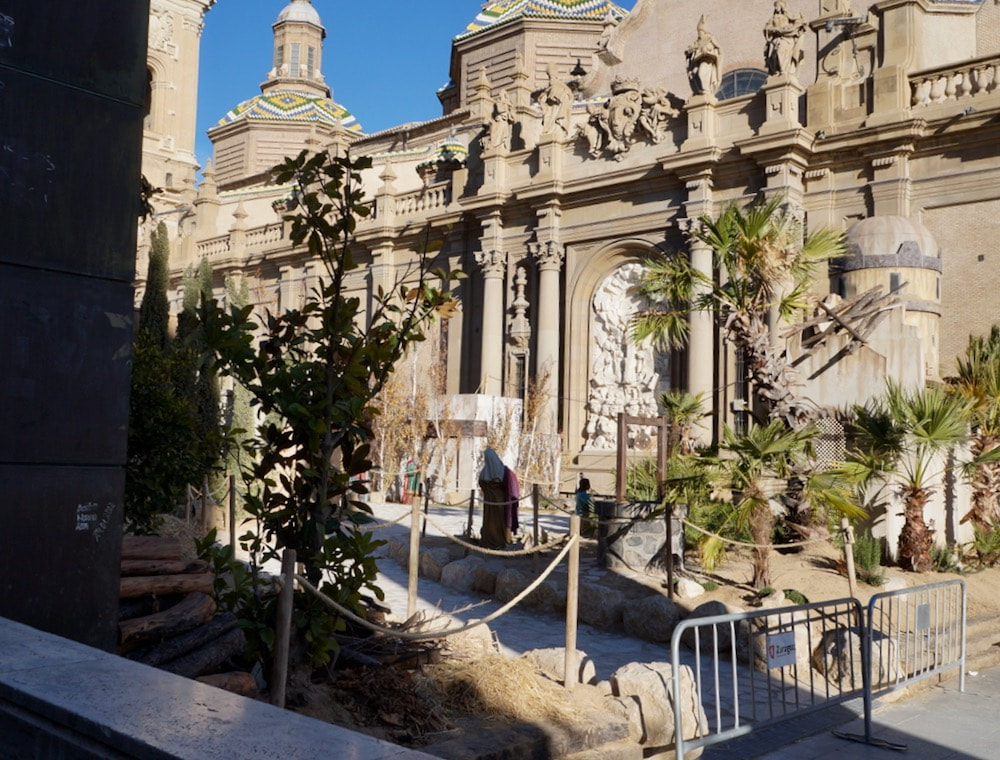 Architectural Background for Zaragoza Nativity. Source: aesta1 There are many reasons to visit Zaragoza but if time permits at Christmas, visiting to see this life-size Nativity along with the market that springs up around it and the wonderful mix of architecture, modern and vintage that surround it, is really worth the effort.
We have been coming back to Hanoi for years now but this is the first time we have seen this type of Ceramics. Said to have travelled along the silk road to some of the finest homes in many countries all over the world, these ceramics now reside in 46 museums of 32 countries and territories. 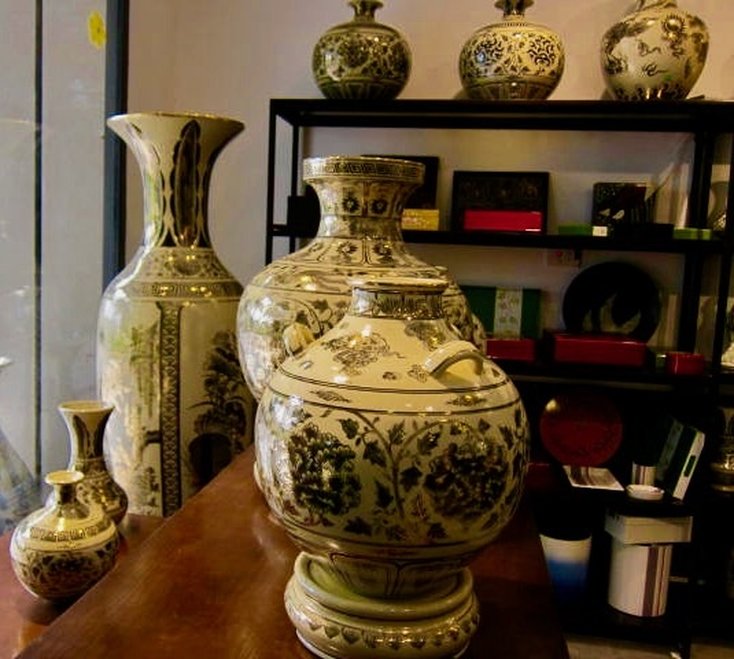 Chu Dau Ceramics. Source: aesta1 These ceramics as the name suggests originated in the village of Chu Dau in the province of Hai Duong in Vietnam around the 13th century under the Tran dynasty. But it was only in the 14th to the 17th centuries when the ceramics gained prominence. Unhappily, the civil war between the Trinh and Mac dynasties stopped the production of these well appreciated treasures. 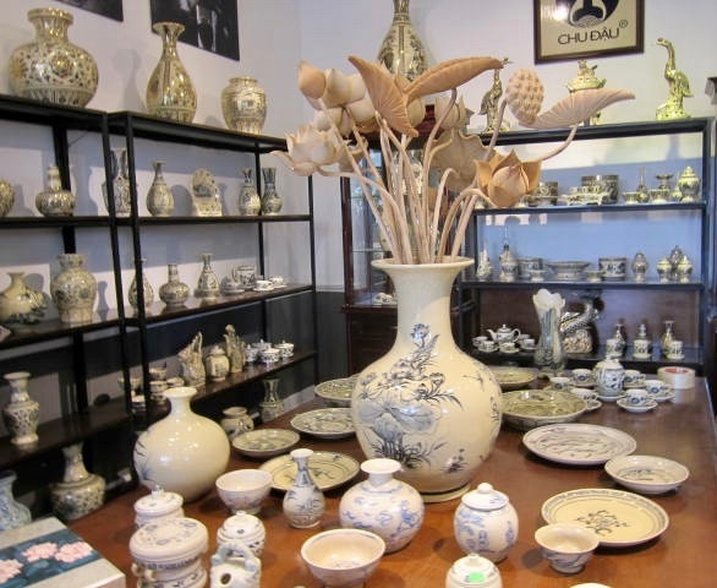 Chu Dau Ceramics for Everyday Use. Source: aesta1 The Chu Dau ceramics were of 3 types: those for the ordinary people, ones for high ranking officials and the ones for royalty. Interest in these ceramics came back when in 1980, Mr. Makoto Anabuki, First Secretary in the Japanese Embassy asked if he could find out more about the antique ceramic vase, Hoa Lam-Blue Flower, he saw exhibited in the Topkapi Saray Museum in Istanbul. This vase was autographed by the artist, Bui Thi Hy. This started the research into this antique ceramic. 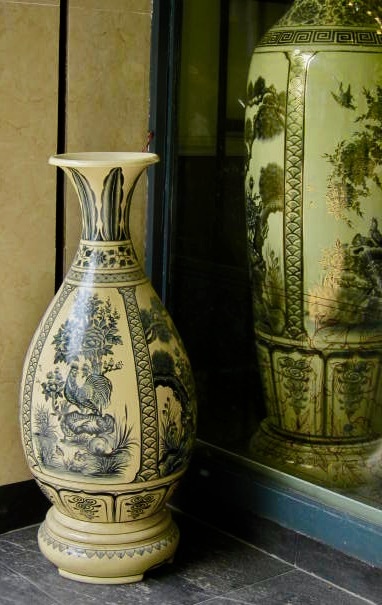 Chu Dau Vases. Source: aesta1 Excavations were undertaken in the northern Vietnamese village of Chu Dau and they found thousands of ceramics and old kilns signifying that this place was engaged in pottery long before it was a busy trading hub. 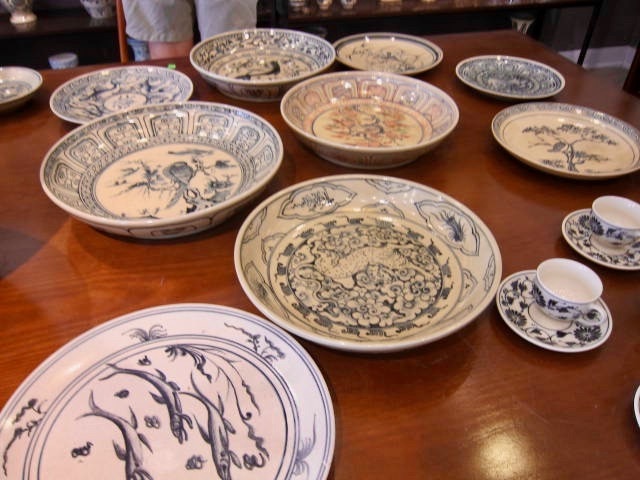 Chu Dau Plates, Bowls. Source: aesta1 The ceramics in spite of having been buried for long, still retained its distinctive colour and design. So, today studies are made in view of bringing back the authentic patterns, materials and ornaments used by the early potters. My husband and I just happened to see the display in Hanoi, 2 Le Thai To, of Chu Dau ceramics. We were on our Sunday walk looking for a coffee place when the display caught our attention. Intrigued, we went in the store and got out with this, a memento of something we've come to appreciate. 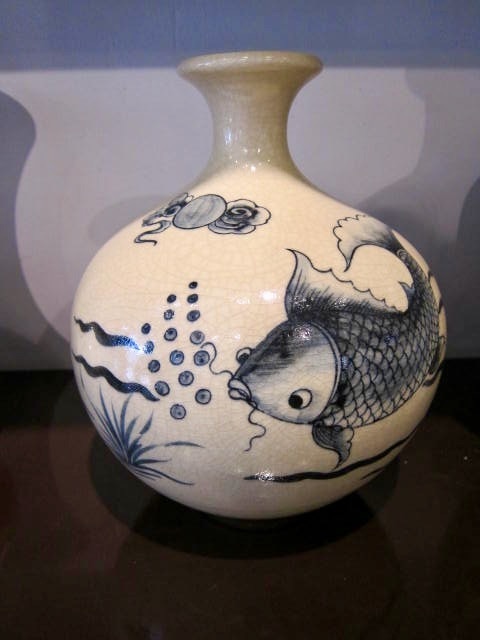 Today, the village of Chu Dau can be visited from Hanoi. A day tour will take you to the village where you can see the old kilns and the excavated site.
If you love pottery, here's another popular village for this craft in Vietnam: Sitting in North America, the most positive thing you can say about chicken is that it's cheap and of course with careful breeding, it has no fat. As a result, the tasteless, amorphous cuttings of chicken parts need to be covered and cooked in oil or drowned in spices and sauces or ground into pinky looking staff that can add a hint of protein to otherwise uninteresting meals but you know it wasn't always thus. 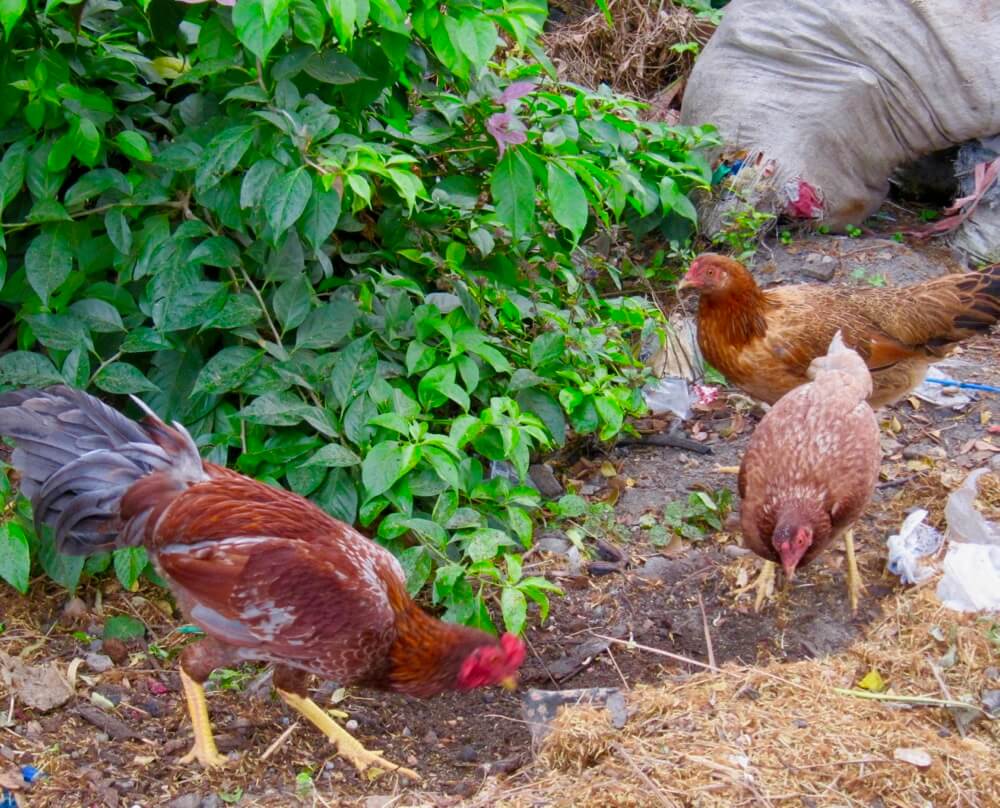 Free Range Chicken. Source: aesta1 Come to rural Asia and running on the road under your wheels in full play with village children is the historic chicken that we knew in North America at the turn of the 20th. Entury. They are not pretty. They're of the small size. They are the ultimate definition of free range if you can call village housing a range. But, they have a unique advantage. They actually have taste. They are the living memory of why many great culinary dishes of the 19th century had chicken at their core. What they lack in size, they make up for in a gusto of flavour that can make a soup or dumplings a living walk down your great grandmas cookbook. Below is Speedy Recipe's youtube video of Tinolang Manok, Chicken, a traditional Filipino Chicken Soup recipe. Asian village cuisine doesn't worry too much about niceties. Defeathered and cleaned, they're plucked into the stew pot, head, feet and all and given two to 3 hours of serious bubbling. Then they're cut into pieces usually crosswise so that the outcome requires work. In goes the chilli, garlic, spic and greens and the outcome is a dish most North American or even Europeans west of Poland can't even imagine. The lesson in this is one we've all learned that the first loss in food when breeding makes the units bigger or better shaped or less fatty, is the flavour. The same lesson can be learned with Italian tomatoes or almost any Sicilian vegetables. Hello bulk...goodbye taste. No one brings Asian chicken to North America and as they can't fly you're going to have to fly here. If for no other reason, these little scrawny road runners make a trip to Cambodia, or Laos or Myanmar worth a ticket.
You can never go back. We’re here where we are and that’s the end of it. But, we can still get a feeling for what history at the human level gave to our forefathers. 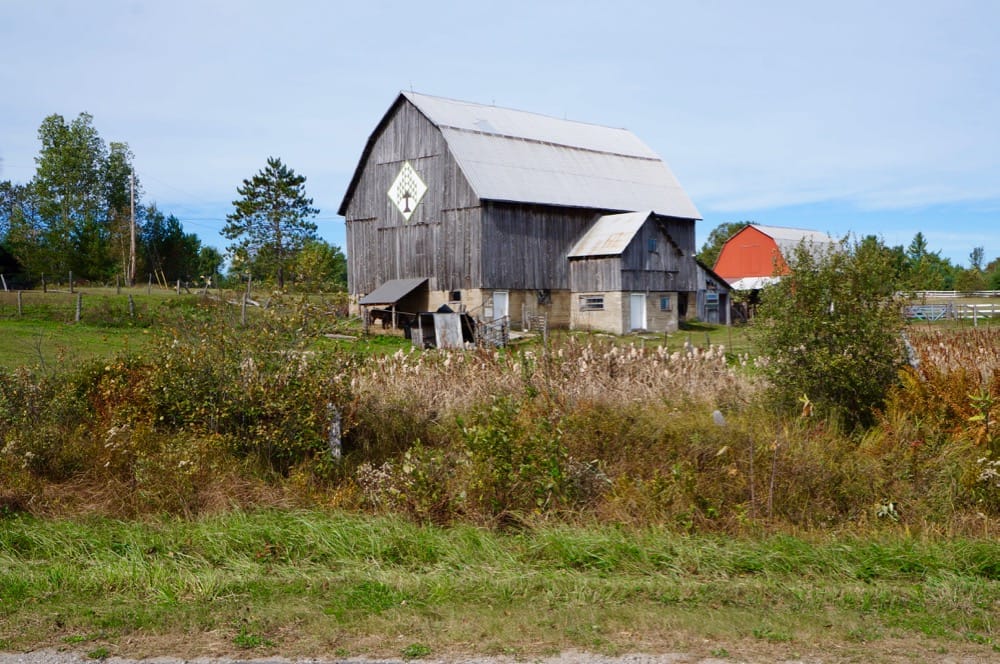 An Old Barn. Source: aesta1 An Old Barn. Source: aesta1 Go to the country. Go to the rice paddies and the wheat fields and the threshing barns and the animal sheds. Sit if you can and try to think of what each passing day was like for our ancestors who had this as their daily view and daily sense of identity. They were an extension of the land. They worked it as much as it worked them. There was a life of necessary balance requiring that what was taken out be put back. It was a whole different world than living in the 21st floor in a condominium linked to an unrecognizable ground by a stainless steel elevator. 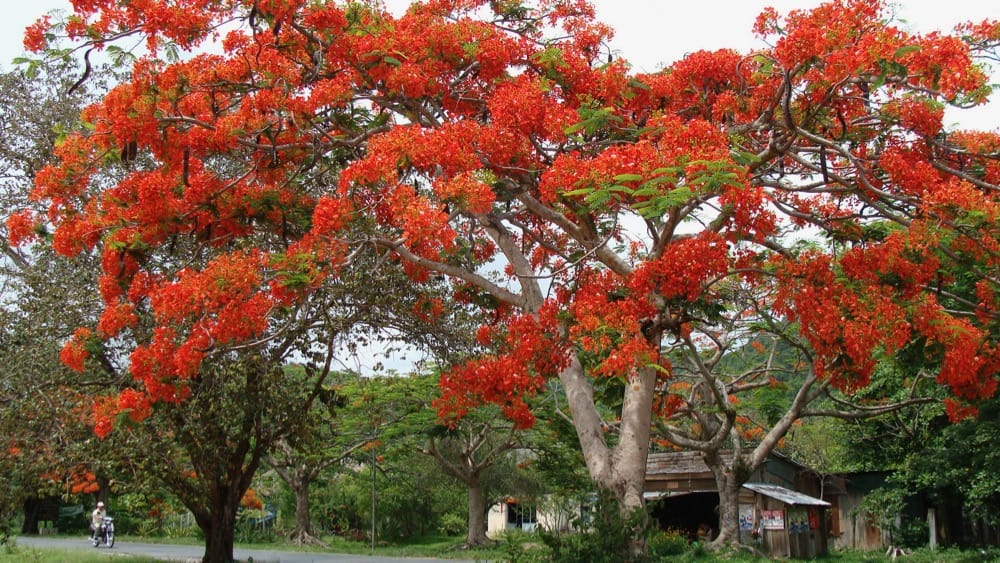 Fire Tree in a Village. Source: aesta1 A rural vacation is your chance to go farming in your own history, to avoid the world of Disneyland rocket museums and space fantasy rides and to become part of a whole different world with different pressures and different values and a very different way of thinking. In most of our countries, in the early 1800’s, 60% of the population were rural. Lonely farms feeding tiny villages with a church and a school and a store feeding provincial towns with perhaps a restaurant, law office, a municipal court and a welcome bar. Few lived in cities and for most of those who did, life was seen as brutal and short so a rural vacation is really a chance to find out what we were for all of history before the last 100 years. There was nothing romantic about the country life except for the Downton Abbey brigade and its ilk. 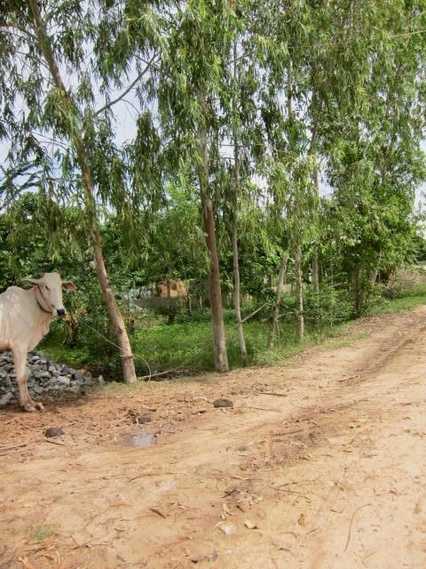 Village Cow. Source: aesta1 Village Cow. Source: aesta1 Working a team pulling logs or a plow or a wagon was tough dangerous work. Preparing food from absolute scratch everyday was a total commitment. Almost any household chore with no electricity was consummately demanding but people had a relationship with the animals and the trees and crops and rivers with whom they shared their lives. There was no race through life to an old people’s home. There was a family that started working as soon as they could walk and cared for their old folks until they cross the rainbow bridge. Each generation had to find tasks and were respected for contributing within those expectations. So, a rural vacation is not only a chance to participate in some of the old farming chores but a chance to put yourself into the history you’ve grown from. 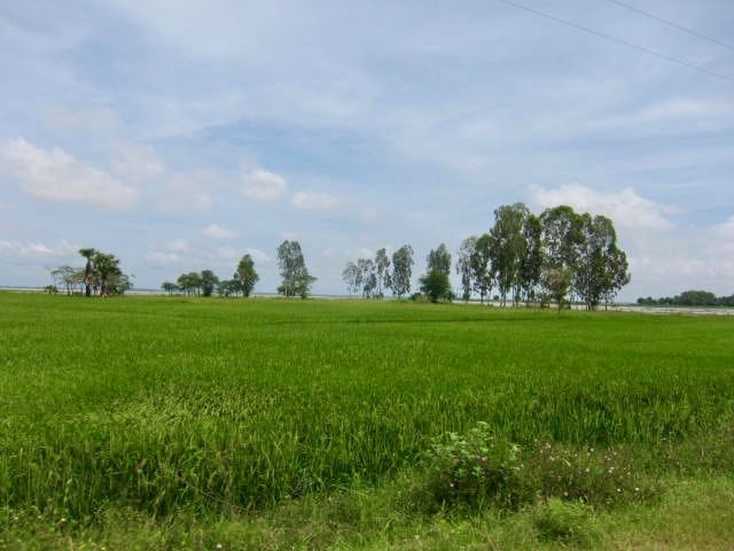 Rice Farm. Source: aesta1 The country is a different world, a different life and a daily challenge in a totally different way than performing in an office or university or factory. Today, wer’e obsessed with physical fitness, a problem that sunrise to sunset farm folk were not very concerned with. We are completely detached from the sources of our food. Other than on television, most children have never seen a cow or a horse or they think of a goat as just like what mommy calls Grandpa. But it’s not lost. It’s all out there and children deserve to see it and live it a bit and get a feeling for our history as a measuring rod to assess the concept of progress, the meaning of success, and the terrible linkage between what we’ve gained and what we’ve lost.
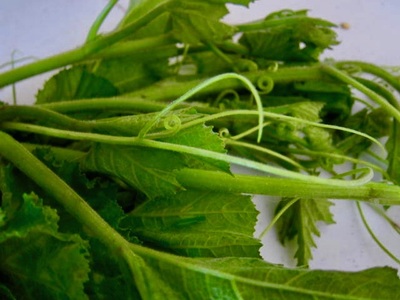
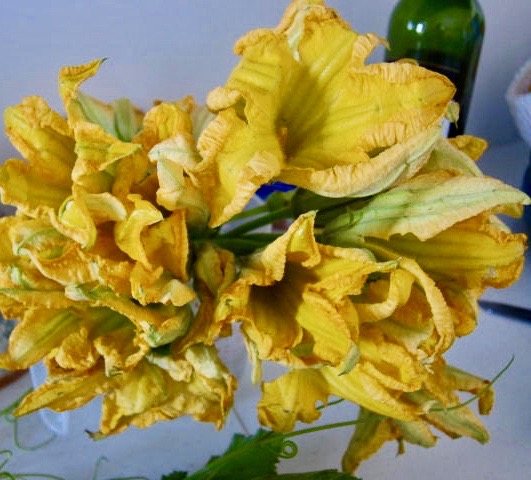
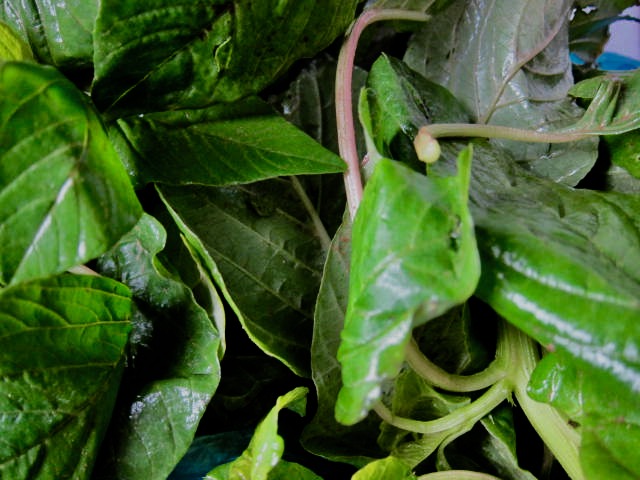
Before you go, check this post out: And, don't forget to leave your comments below. Thanks for the visit. Remember those days when, with basket in one hand and your Mother in the other, you went off to your local market? Of course, for many of us, the supermarket has taken the place of these local markets. 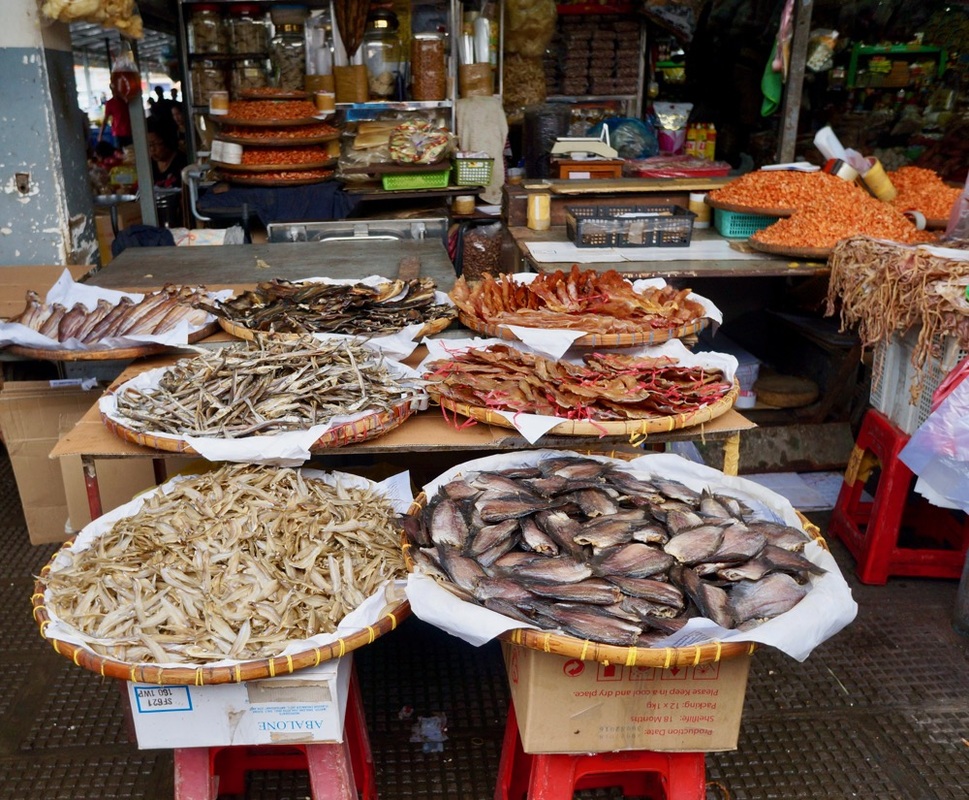 Phnom Penh Local Market But you know what, here in Phnom Penh, this is still how many Cambodians shop. They walk to the closest local market and buy their daily supplies, fresh and coming from the local farmers whom you see deliver these in their mopeds. So, yesterday, I started early and walked to the Kabko market close to where we stay. I have been here before but I always find it convenient to go to the supermarket. I usually do my shopping later in the day which makes it too hot to walk to the market and most of the sellers by that time have folded up or are asleep. What's nice is, short though the walk is to the local market, it still gives me a chance to check out some of the shops on the way. This time, I went into a clohes shop and found that the clothes in there were made in Italy. No wonder the display was very attractive. I had fun browsing and seeing some of the latest designs. 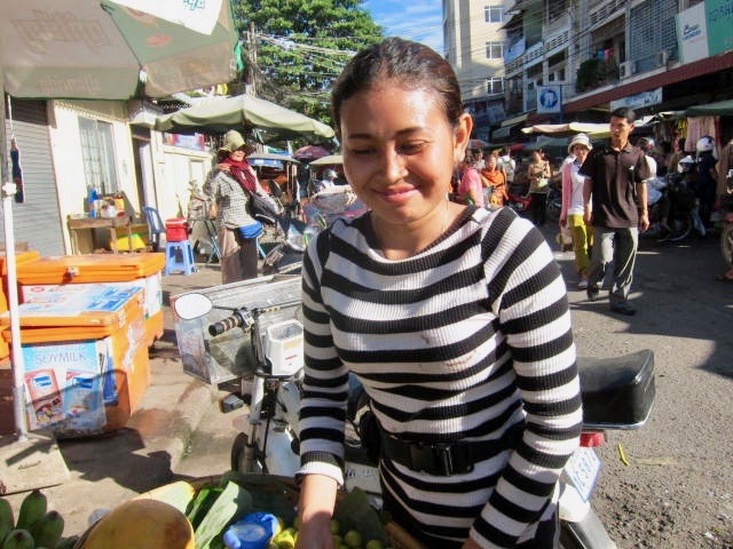 Best Fruit Vendor in Kabko Market As I approached the market, I immediately spotted the Lady from whom I buy fruits. Before, I bought from her some of the sweetest papayas. This time, another customer told me that she buys from her all the time because of the quality of her fruits. I asked about a particular fruit which I did not recognize and the customer offered me one to taste. I hesitated as it has not been washed. Thank goodness, the seller immediately added a few for free to my purchase so I can try it. It made me feel a bit better. From there, I decided to get some vegetables I have tried but not cooked and here are my purchases: squash leaves, squash flowers, and greens. It was quite exhilirating for me having had, as a child, fun memories of trips to our market. It was exactly like this. Phnom Penh, though, is a much bigger city now but here in the local market you still see people engaging with each other, just being part of a community and going there often makes them take you in as one of them. Thanks for your visit. Before you go, share this in you favourite social media.
Also, if you want more on Phnom Penh makrkets, click this link: Phnom Penh's Traditional Markets. 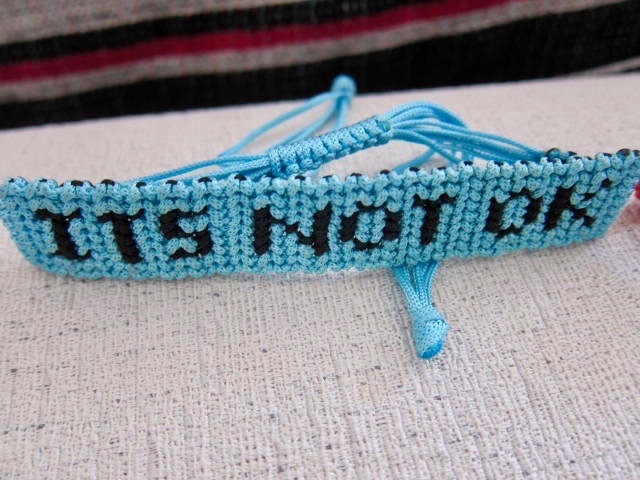 It's Not Ok is not your usual bracelet. It is hand-made by survivors of human trafficking. The message is clear: It is not OK to traffic people enticing them to a better future but instead, what they get is being sold for profit to marriage, farm labour or prostitution. SheRescueHome trains survivors of human trafficking in skills that will provide them income. Hopefully, this will stop some from being enticed by human traffickers. You can visit their site at: sherescuehome.org 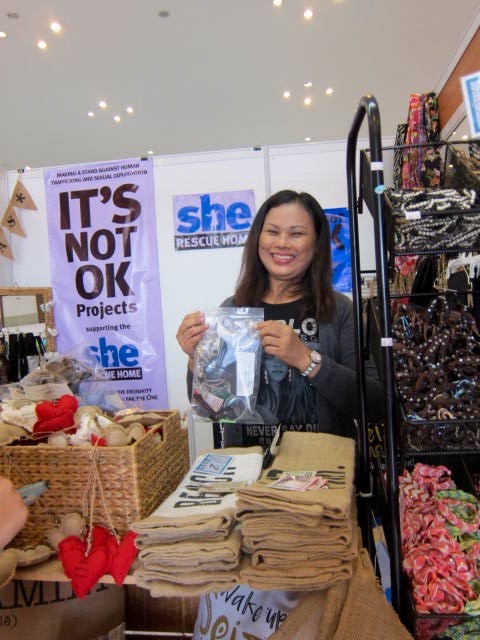 Pen Yara, the Merchandise Officer of She Rescue Home in Cambodia manning a booth at the exhibition of products 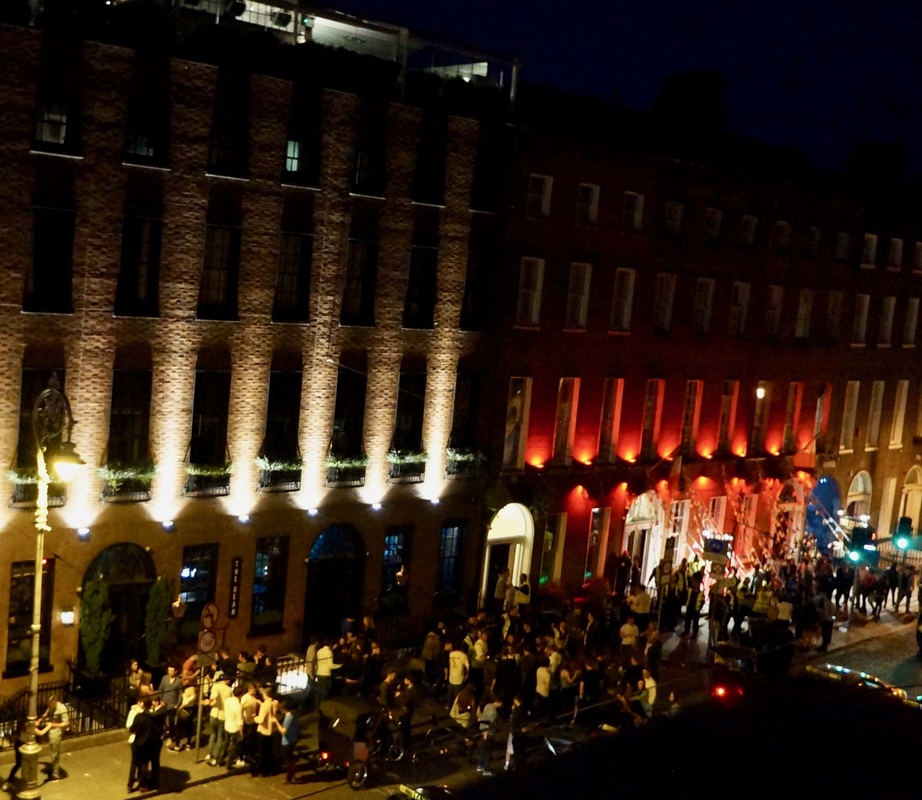 Dublin Club Scene 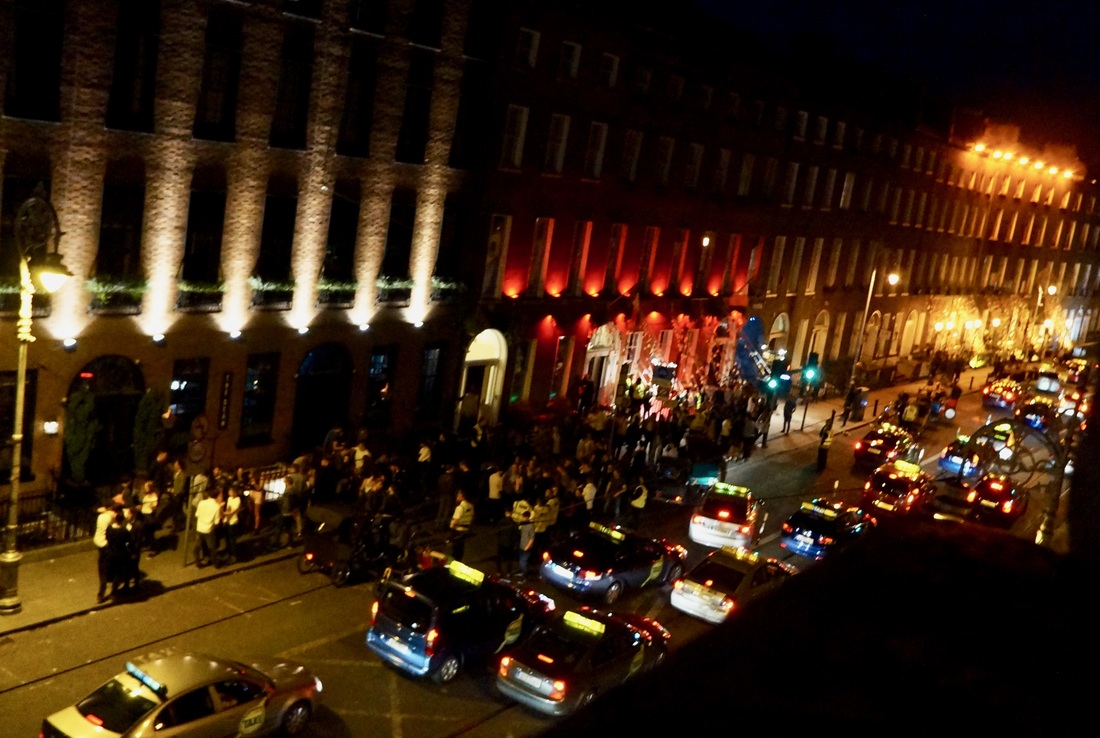 Dublin Early Morning Fun Fun or Noise? In the street outside of our hotel in Dublin, these scenes were shot in the early morning between 3:30 and 4:30 a.m. Our hotel happened to be right where several clubs with very academic names were located. Reminded us of university days. Our hotel was kind enough to provide us with ear phones to block the noise if you don't want it but if you want to be part of the fun, go down and be in the street. |
For those who love travel, here are some of my top recommendations of places to visit.
Click on the picture to know more of these places: 
Archives
October 2021
|